In an increasingly uncertain world, we must be able to embrace sustainability, resilience, and security at the same time. Only in this way can we face reality without naivety and ensure that ESG efforts create real impact now and in the future.— Juan Farré,CEO at Danish Technological Institute

Status: In 2025, renewable energy accounted for approximately 70% of the Institute’s total electricity consumption. We are therefore making strong progress toward achieving our goal of 100% renewable electricity by 2030.
In 2025, the Institute strengthened its strategic efforts on climate and environmental sustainability and developed a climate strategy with new targets aligned with the Paris Agreement, as well as relevant EU and national regulations.
The climate strategy includes targets to reduce our own greenhouse gas emissions by 75% by 2035 and to achieve climate neutrality by 2050.
At the same time, efforts are underway to reduce energy consumption through efficiency improvements, including replacement of ventilation systems, installation of new windows, and renovation and insulation of buildings.
Status: In 2023 and 2024, the recycling rate was just under 60%, and in 2025 it was increased to approximately 66%.
In 2025, there was increased focus on optimizing waste sorting and handling to improve recycling rates and reduce CO₂ emissions associated with waste management.
These efforts will continue, with a particular focus on reducing waste sent to landfill and incineration, as well as extending the lifespan of materials and equipment through reuse and recycling.
Status: Danish Technological Institute aims for a balanced gender distribution without compromising professional expertise. In 2025, the gender distribution across the Board, management and employees was as follows:
At Danish Technological Institute, our work with sustainability is particularly focused on how we can reduce our environmental and climate footprint. Sustainability is an integrated part of our activities in relation to employees, customers, suppliers, business partners and society in general.
At Danish Technological Institute, we aim to set a good example by implementing initiatives that ensure continuous climate and environmental improvements. The Institute is certified in environmental management under the internationally recognized ISO 14001 standard. Our focus is on internal operations, service, and maintenance of infrastructure across all Institute locations. We take a systematic approach to climate and environmental work, ensuring ongoing monitoring, evaluation, and improvement.
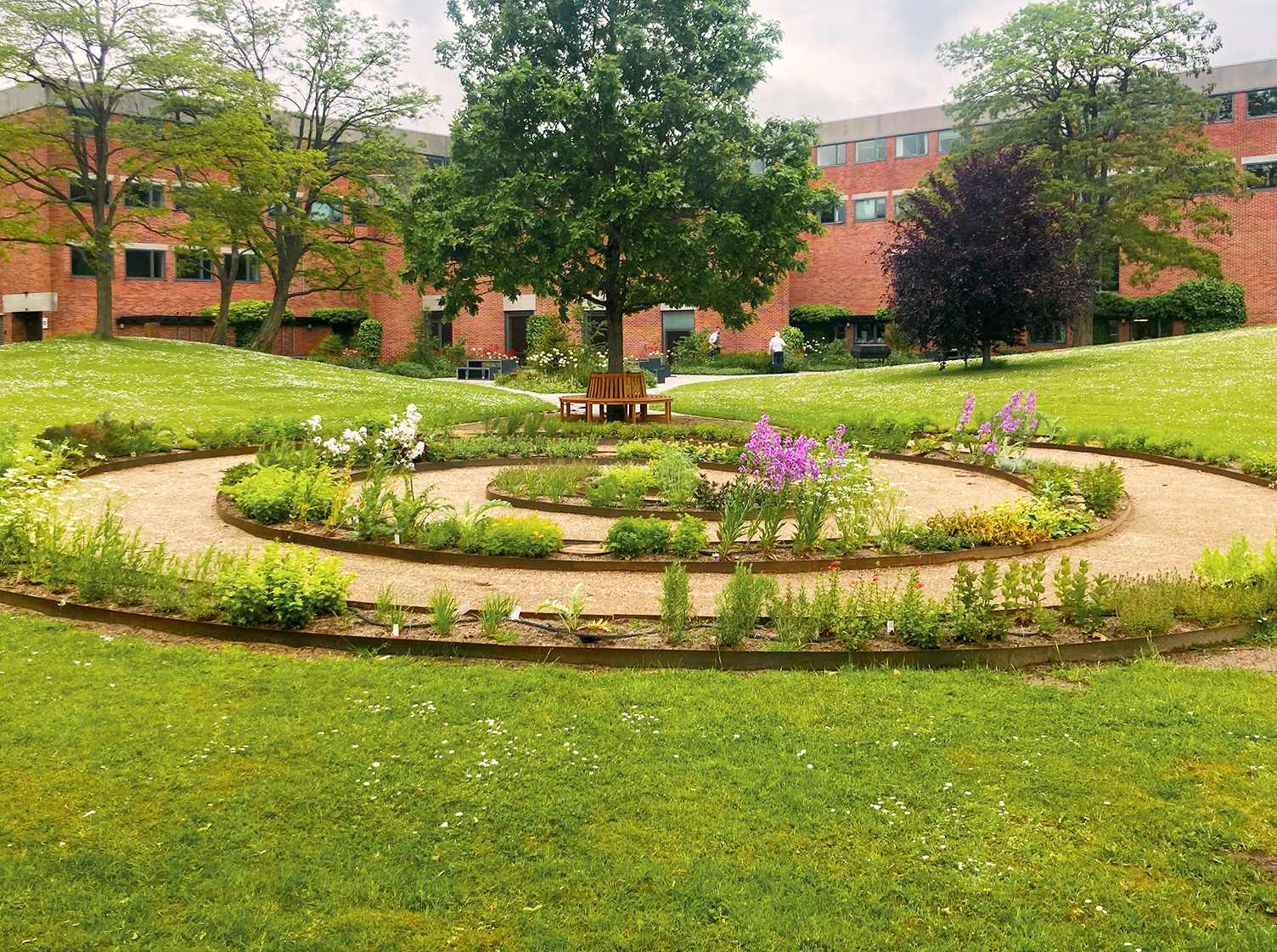
At Danish Technological Institute, we work with our gardeners to make nature on our premises wilder, richer, and more diverse.
Vild Med Vilje is about creating change through knowledge sharing and action. Therefore, we have converted three-quarters of our outdoor areas to wild-growing grasses and flowers, established brushwood fences, and placed tree trunks and boulders.
The Institute focuses on reuse and extending the lifespan of buildings, furniture, and IT equipment. In connection with furnishing new meeting rooms, old, stored Magnus Olesen meeting tables and chairs have been given new life with fresh colors and new upholstery.
In the latest employee satisfaction survey, 94% of participants responded: "Overall, I am satisfied as an employee at the Danish Technological Institute."