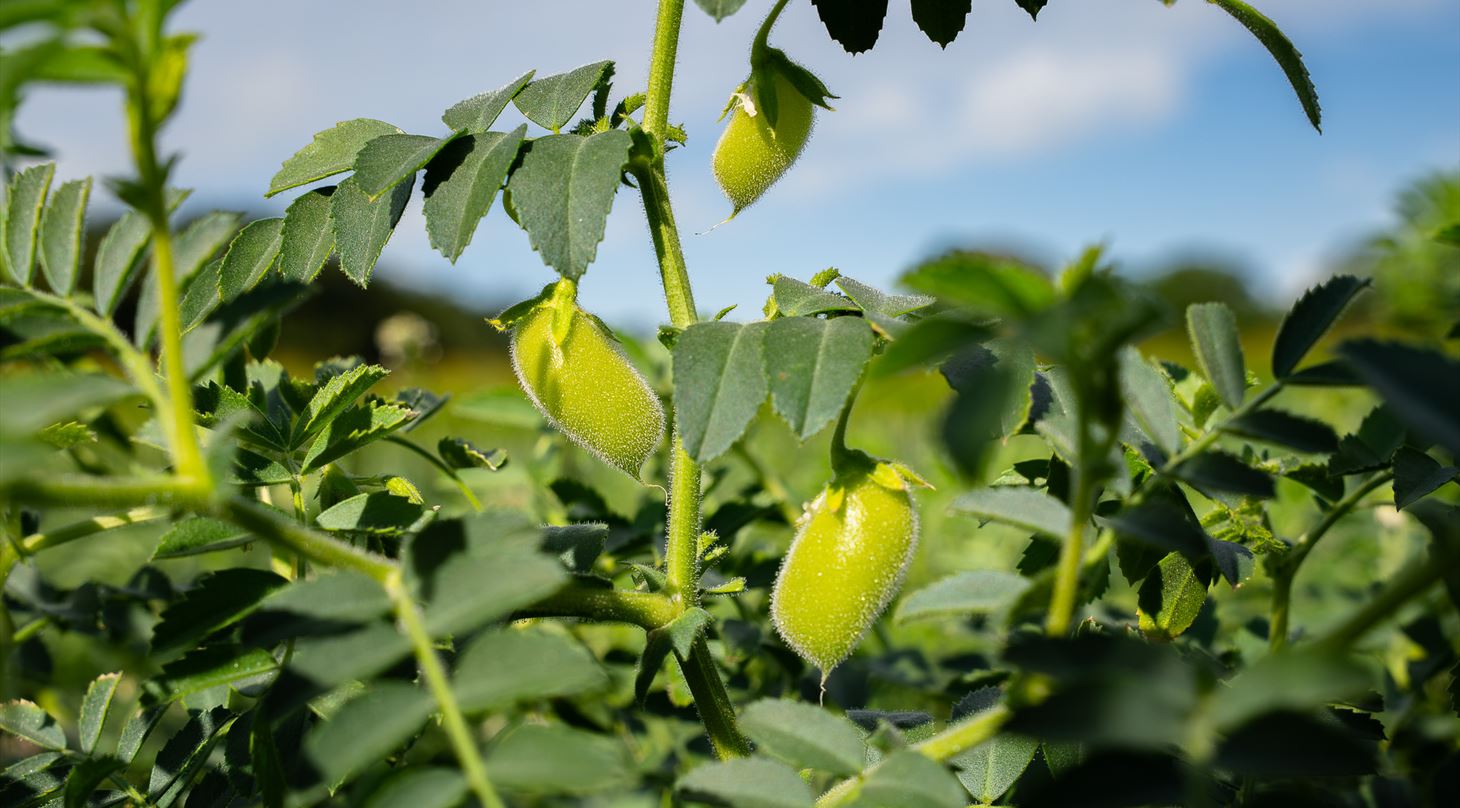
CicerNord - adapting chickpeas to Northern Europe

Project period: 01/03/2026 - 31/12/2027
Supported by: Plant2Food
In a world with an increasing demand for plant-based proteins, CicerNord has been launched to adapt chickpeas to the Nordic climate.
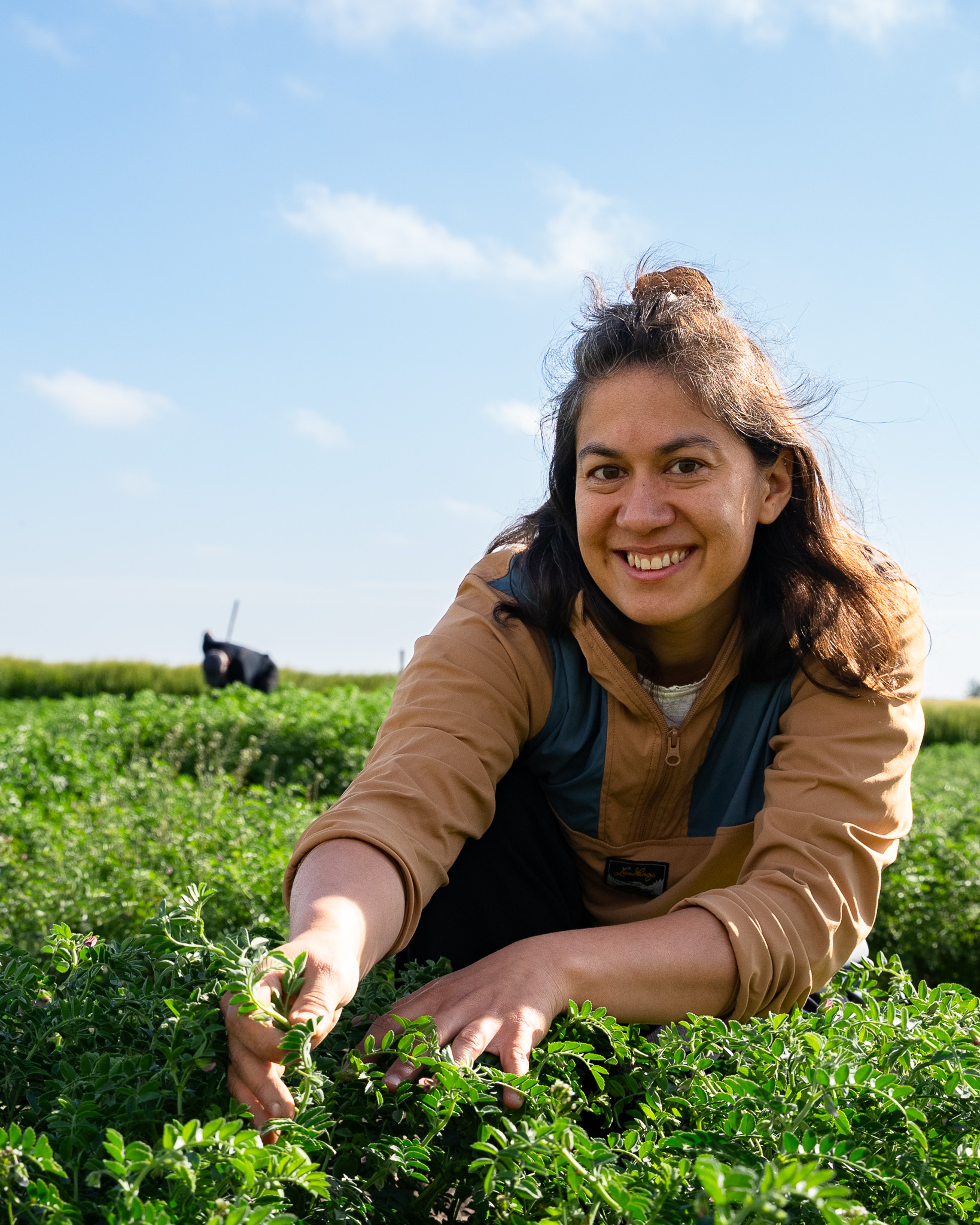
Chickpeas are known for their high protein content and beneficial environmental properties, as they form a symbiosis with nitrogen-fixing bacteria, which can reduce the need for synthetic fertilizers.
The project aims to map genotypes that can withstand cold and wet climates, thereby supporting more sustainable local production.
- Since agronomic knowledge and practical experience with chickpea cultivation under Danish climatic conditions are currently limited, a crucial – yet unexplored – task in the project will be to ensure a sufficient yield that can form the basis for future breeding. Our starting material is 50 seeds from each of a total of 156 unique genotypes. We will characterize these under local field conditions to identify and propagate the most promising chickpeas for future Nordic production, says Sheena Ricafranca Rasmussen, Consultant at Danish Technological Institute.
Project Activities
In CicerNord, we focus on four areas:
- Genetic mapping: Identification of early-maturing and productive varieties through field trials.
- Symbiotic research: Investigation of the nitrogen-fixing properties of chickpeas using commercial rhizobium solutions.
- Nutritional analysis: Assessment of protein content and digestibility across different genotypes.
- Industrial relevance: Testing of sensory and culinary properties in collaboration with industry partners.
What do we hope to achieve?
In CicerNord, we hope to help identify genotypes that can be grown locally, thereby reducing dependence on imported protein sources. The open data and results will form the basis for new breeding programs and innovation in the agri-food industry.
Partners
- Aarhus University (Project Manager)
- Danish Technological Institute
- DENCON FOODS A/S
- WAUW A/S
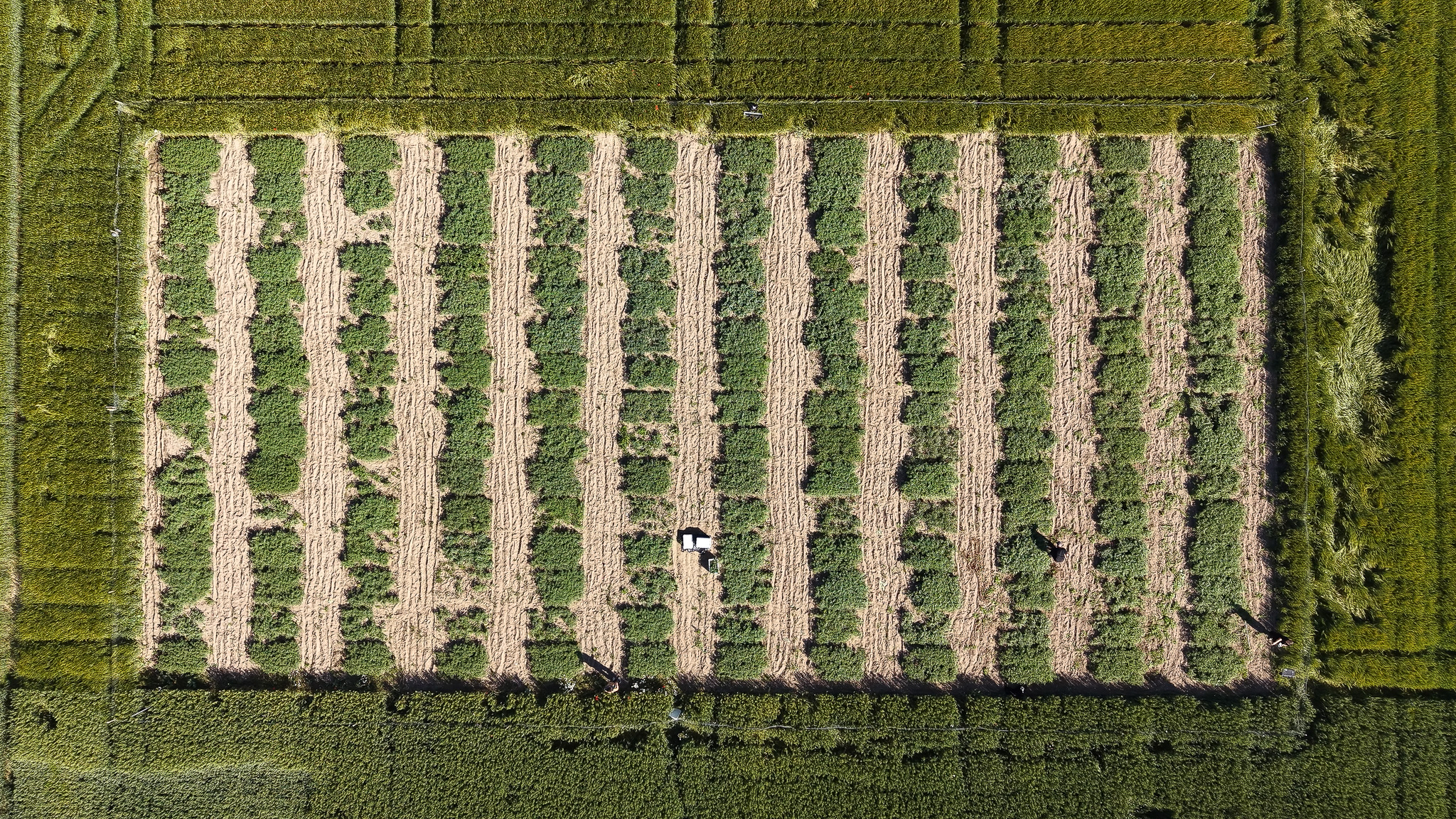 The CicerNord test field at Hornslet, July 2026.