SPORE: Advanced sensors to detect mould in food before it is even visible

We aim to strengthen food safety and reduce food waste in large storage systems in Denmark and internationally by developing a new method for the rapid and precise detection of early mould growth.
Project period: March 2026 – December 2027
Supported by: Plant2Food
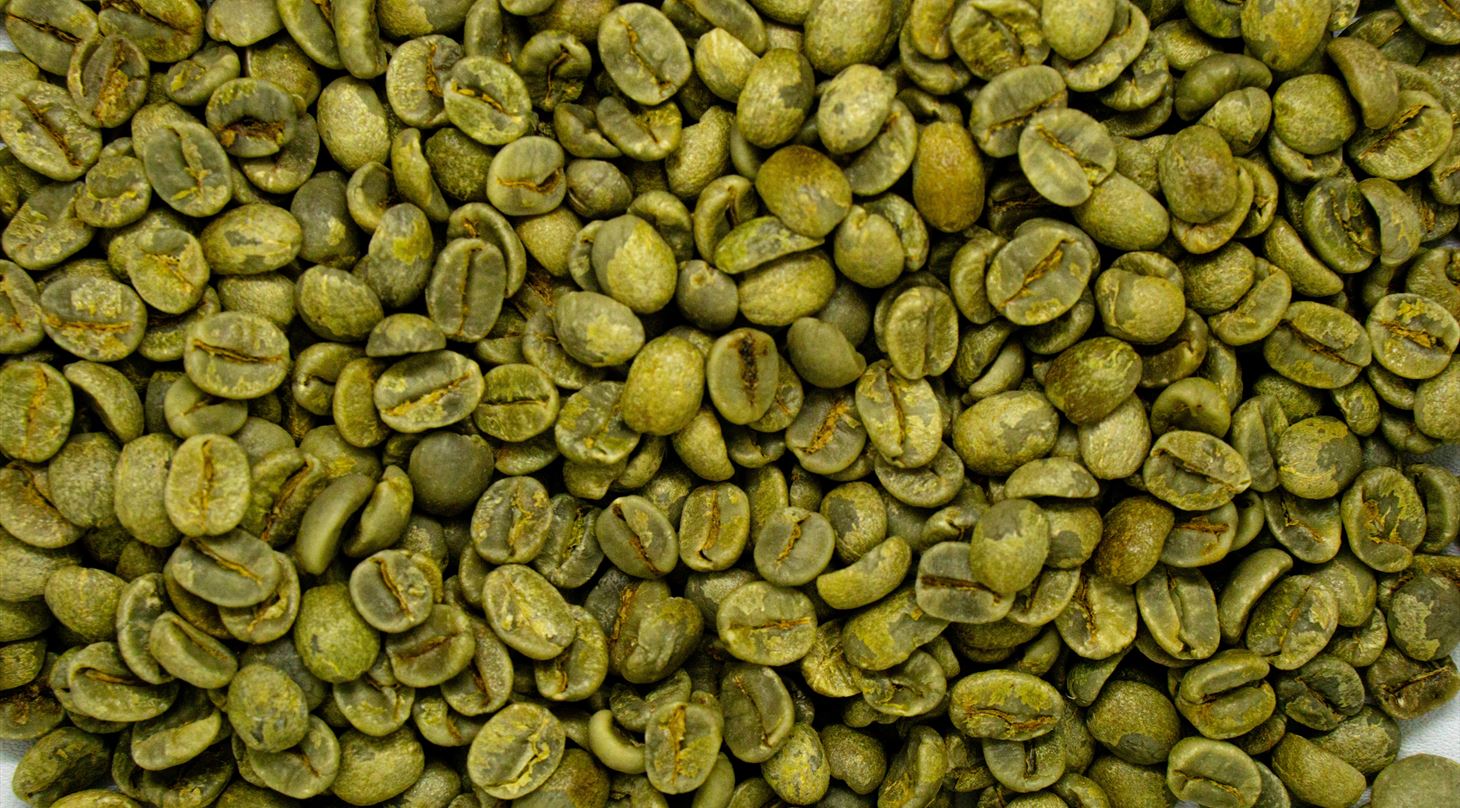
When the food industry stores grain, coffee and nuts in massive quantities to ensure there is enough food for the entire year, we live with the risk of the ultimate buzzkill:
Mould.
- Once the fungus takes hold, it can cost a fortune and lead to massive food waste. And worst of all, mould can produce toxins that make the food downright dangerous to eat, says Eva-Marie Lange, Project Manager at the Danish Technological Institute.
Just as humans have fingerprints, plant-based foods such as coffee, grain and nuts have a unique set of volatile organic compounds (VOCs) that they release into the air.
These are invisible to the naked eye but can be measured using advanced equipment to reveal the onset of mould growth.
- If we succeed in using these fingerprints, it will be groundbreaking. It will provide us with an extremely precise technology that can subsequently be rolled out to a wide range of other food sectors, says Eva-Marie Lange.
Set to revolutionise the protection of raw materials
 Plant-based foods are often stored in large quantities to ensure a stable supply year-round. However, this method involves a significant risk of financial loss and food waste due to mould growth and, in some cases, the production of mycotoxins, which can pose serious food safety risks.
- The hope is that detecting these volatile compounds in the air can be used to spot early mould growth in food warehouses long before it becomes a problem involving large losses of contaminated food, says Anna Holm Støckler, Consultant at the Danish Technological Institute.
The SPORE project is therefore set to revolutionise the way we protect our raw materials. We aim to improve the early detection of mould growth in stored plant-based foods using VOC monitoring. The project will lay the foundation for the future development of cost-effective sensor solutions for real-time mould monitoring.
In this way, we can help address ongoing, critical challenges related to food safety, quality preservation and food waste reduction in large-scale storage systems.
A needle in a haystack
Existing methods for detecting mould growth, such as temperature measurement, are limited in their ability to detect early mould activity. This is primarily because developing better alternatives is extremely difficult.
- We are looking for a needle in a haystack. In fact, not just one, but a combination of needles in a haystack, Eva-Marie Lange explains, continuing:
- The ambition is to be able to find a needle in an entire grain silo, allowing us to document mould even at a very high dilution.
From research to industry
The project will validate the technology in pilot-scale facilities and, in the longer term, under realistic storage conditions. This will enable the research results to be transferred to the industry.
Aarhus University and the Danish Technological Institute are leading the work to validate the detection protocols and bridge the gap to the industry’s existing practices in order to support future sensor development.
SPORE unites leading Danish research institutions and international industry specialists within food technology, sensors and logistics.
Project partners
- Aarhus University, Department of Food Science (project lead)
- Danish Technological Institute
- BKI Foods A/S
- Hesle Nygaard 1844
- Storex B.V.
- Dräger Danmark A/S