Advanced neutron and scattering techniques for quantum devices
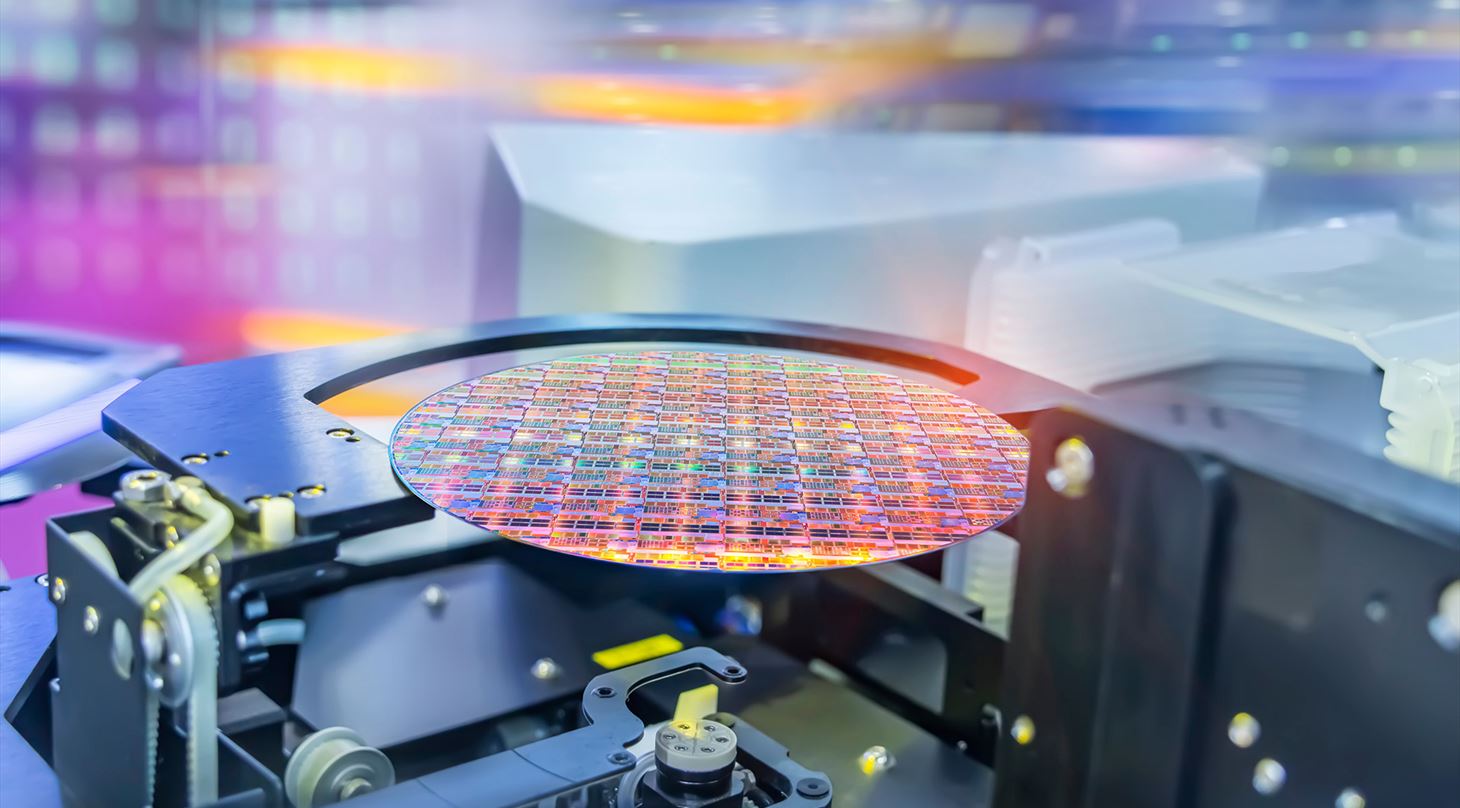
We offer specialized characterization of wafer stacks for quantum device fabrication, leveraging state-of-the-art neutron and X-ray scattering methods.
These powerful, non-destructive techniques provide unparalleled insight into the structure, interfaces, and properties of complex multilayer wafers - these are capabilities essential for the development of high-performance quantum technologies.
Key features:
- Precise evaluation of multilayer architectures:
High-resolution x-ray reflectometry enables accurate determination of layer thickness, density, and interface roughness within wafer stacks, enabling precise evaluation of multilayer architectures. - Distinguish isotopes within the layers:
Neutron reflectometry enables highly sensitive analysis of thin films and multilayer structures, with unique advantages for distinguishing between isotopes within the layers, critical for optimizing quantum device performance. - In-plane structural characterization of surface and near-surface features:
Grazing incidence x-ray scattering (GIXS) is ideal for analyzing lateral ordering, size distribution, and spatial arrangement of nanostructures, including quantum dots.
Benefits for quantum technologies:
- Non-destructive, Depth-resolved Characterization:
Access structural information on buried interfaces and internal layers without damaging wafers, ensuring the reliability and integrity of samples for further device processing. - Data-Driven Process Optimization:
Detailed structural and compositional analysis enables early detection of defects and process variations, supporting reproducibility, enhanced quantum coherence, and overall device stability.
Applications:
- Superconducting qubits, topological quantum devices, semiconductor spin and charge qubits, self-assembled nanostructures, and quantum dot architectures.
- In-depth analysis of engineered substrates for quantum information science.
These services are relevant to quantum hardware companies, academic research groups, and R&D teams at the forefront of quantum-enabled technologies.