Biodiesel Reduces Ship’s Black Carbon Emissions by up to 81 Percent
Press Release – January 2026
New Danish data, collected during real-world sailing, documents significant climate benefits from biofuel for the shipping industry. The findings have been submitted to the International Maritime Organization (IMO).
Soot particles – also known as Black Carbon – are among the most harmful emissions from shipping, both for the climate, where they contribute to global warming and melting of Arctic ice, and for public health through poor air quality. Now, experts from the CLEANSHIP project document that using biodiesel, specifically B100 FAME, during normal operation can reduce Black Carbon emissions by up to 81 percent compared to traditional marine gas oil (MGO).
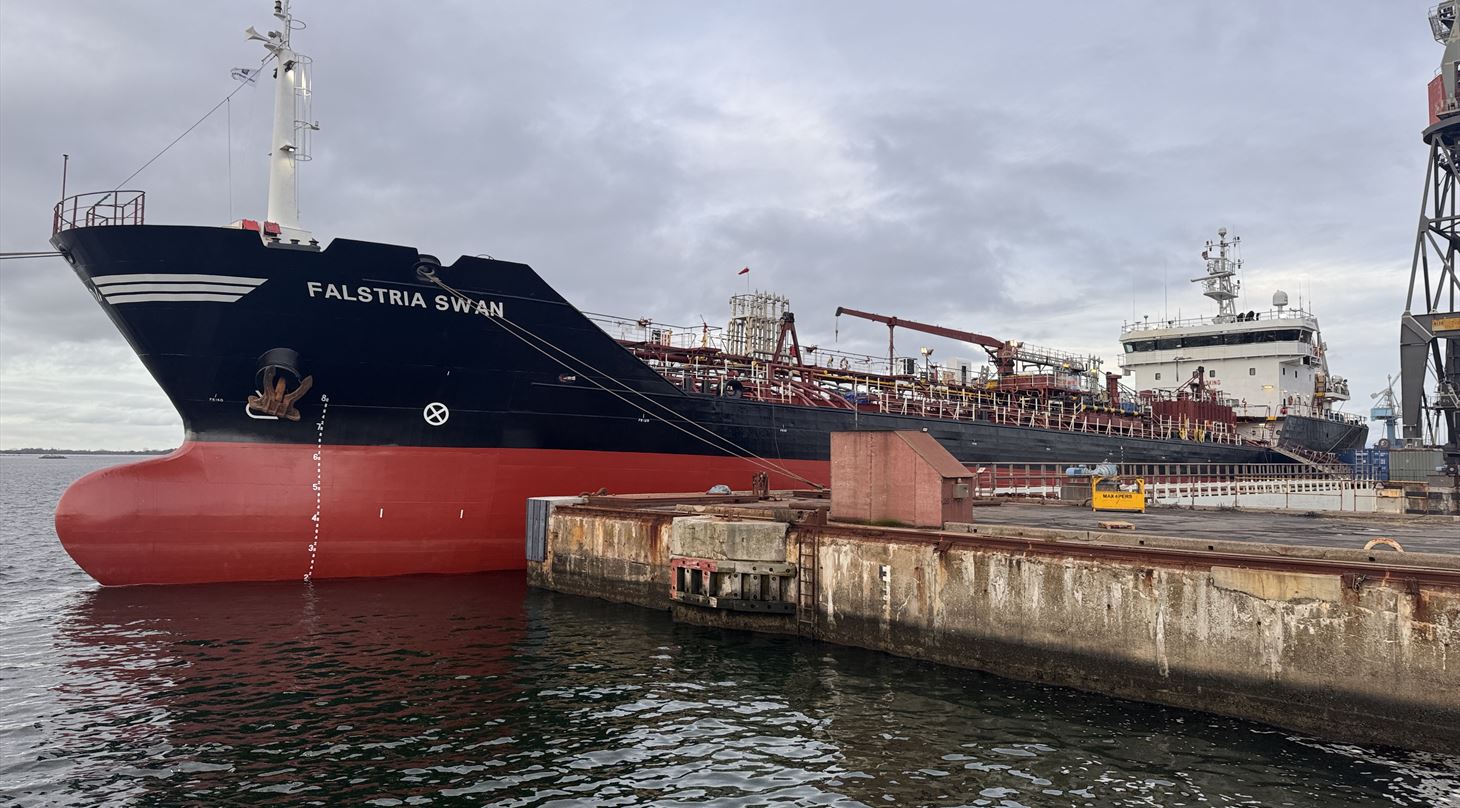
The measurements were carried out on the Uni-Tankers vessel Falstria Swan, where an advanced online Black Carbon sensor from Green Instruments, developed in collaboration with Danish Technological Institute, made it possible to track emissions in detail and in real time during the vessel’s normal operation.
“We expected that biofuel would lead to cleaner combustion, but the magnitude of the reduction – especially at lower engine loads – is a very positive surprise. This demonstrates that biodiesel can reduce not only net CO₂, but also Black Carbon, which is highly significant for the shipping sector’s total climate footprint. At the same time, the measurement technology allows us to monitor emissions with much greater detail than ever before,” says Simon Bastrup Spangenberg, consultant and measurement specialist in alternative fuels and emission reduction at Danish Technological Institute.
For Uni-Tankers, the measurements translate directly into new, practical knowledge:
“The latest real-world sailing data on biodiesel (B100) give us a clear picture of both the black carbon footprint and actual CO₂ emissions. This insight is crucial for achieving our own reduction targets, while also contributing to better, data-driven recommendations for reducing emissions across the shipping industry,” says Troels Reppien, Technical Director at Uni-Tankers.
Although biodiesel demonstrates a significant reduction in Black Carbon, current global production of biofuel can only cover a small share of the global fleet’s total energy demand. Therefore, the Cleanship project continues to analyse data and work towards recommendations on how Black Carbon and other emissions can be effectively reduced in shipping.
The results from the measurement campaign have now been submitted to the International Maritime Organization (IMO) in the form of a white paper. This documentation will contribute to the international efforts to reduce Black Carbon emissions - especially in Arctic regions, where soot particles have a particularly significant climate impact on ice and the environment. The white paper is scheduled for consideration at IMO’s 13th session of the Sub-Committee on Pollution Prevention and Response (PPR), which will take place from 9–13 February 2026.
Contact:
Julie Tølbøl Rasmussen
Senior Project Manager, Danish Technological Institute
jtra@teknologisk.dk
+45 72 20 26 07
About the CLEANSHIP project
CLEANSHIP is a Danish research project (2024–2026) led by Danish Technological Institute in collaboration with partners Uni-Tankers A/S, Green Instruments, the Mærsk Mc-Kinney Møller Center for Zero Carbon Shipping, Danish Shipping, and Danish Maritime. The project aims to reduce harmful maritime emissions through the testing and demonstration of biofuels, energy-saving technologies, and operational optimizations. The project is supported by the Danish Environmental Protection Agency’s MUDP program with a grant of DKK 18.2 million.
Key Facts
- MUDP, Danish Environmental Protection Agency: DKK 18.2 million
- Total budget: DKK 25 million
- Duration: 3 years
- Official title: CLEANSHIP
Project Partners
- Danish Technological Institute (project lead)
- Uni-Tankers A/S
- Green Instruments
- Mærsk Mc-Kinney Møller Center for Zero Carbon Shipping
- Danish Shipping
- Danish Maritime
Read more: www.dti.dk/projects/cleanship/welcome-to-the-cleanship-project/46089

Foto 1: Business Manager at the Danish Technological Institute, Rasmus Faurskov Cordtz, during the installation of the black carbon sensor from Green Instruments. The sensor was developed in collaboration with the Danish Technological Institute.
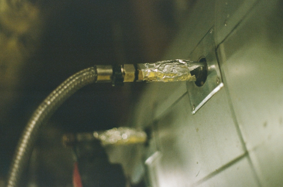
Foto 2: The vessel Falstria Swan from Uni-Tankers A/S has been equipped with a black carbon sensor for Green Instruments. The sensor has been developed in collaboration with Danish Technological Institute.
Foto 3: The measurements with 100 percent biofuel were conducted during a three-day voyage on the vessel Falstria Swan from Uni-Tankers. The collected data has been analyzed and compared with baseline measurements from sailing with conventional diesel on the same ship.

Foto 4: Consultant at the Danish Technological Institute, Simon Martin Spangenberg Bastrup, participated as a specialist during two measurement campaigns aboard the Falstria Swan from Uni-Tankers. One measurement campaign collected data on the effect of biodiesel on the vessel’s emissions, while the other campaign collected baseline data from sailing with conventional diesel.

Foto 5: This is what the black carbon sensor from Green Instruments looks like, as installed aboard the Falstria Swan from Uni-Tankers A/S. The sensor system has been developed in a collaboration between Green Instruments and Danish Technological Institute.