Electrical products and data collection - Projects
Select Page
2LIPP 2023-2026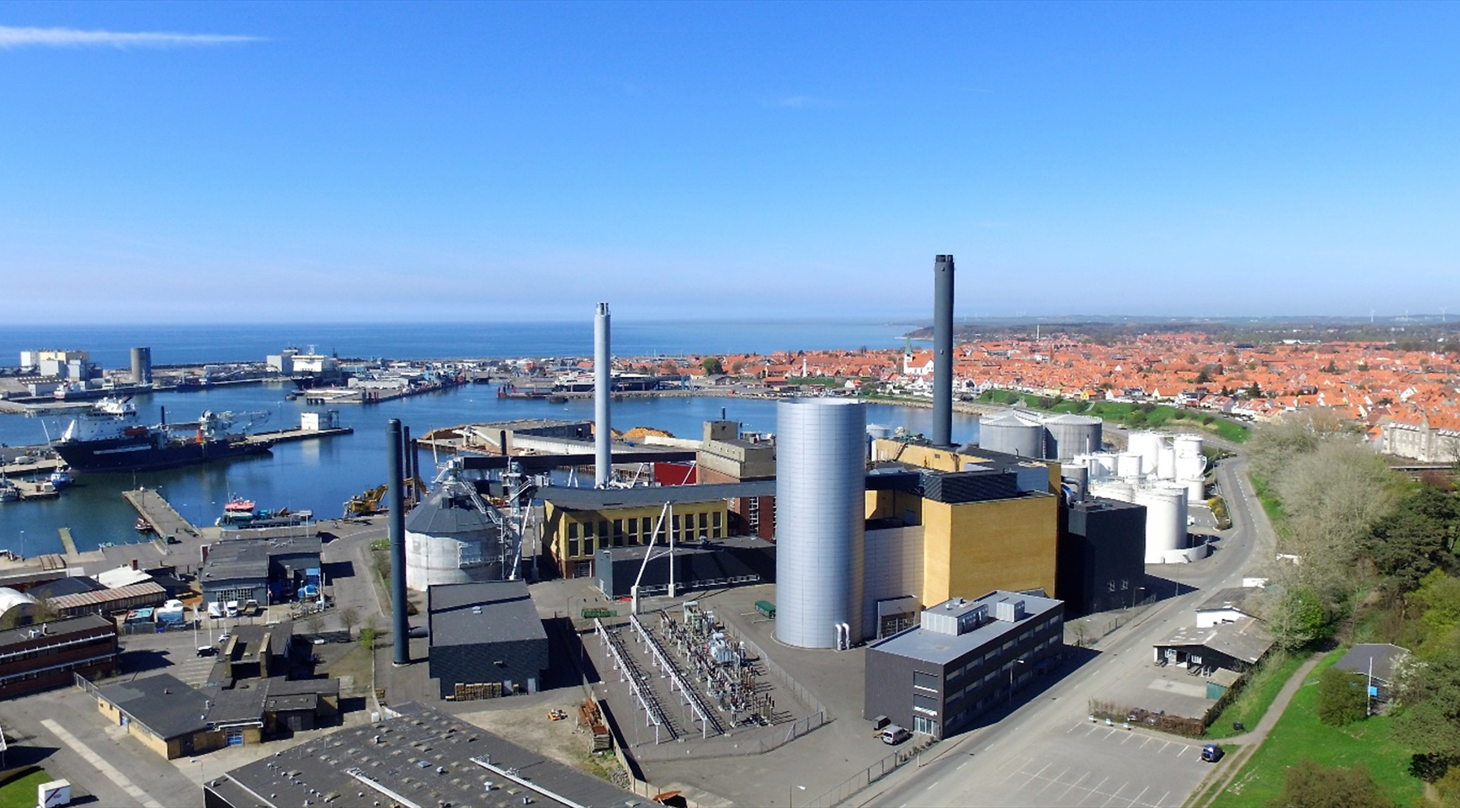

On Bornholm, Danish Technological Institute is participating in a new European innovation project to demonstrate a hybrid energy storage system that expands energy storage capacity by integrating the position of power and combined heat and power plants in the electricity grid. The goal is cheaper implementation of energy storage and a faster transition to green energy in Europe.
EFFORT 2023-2025
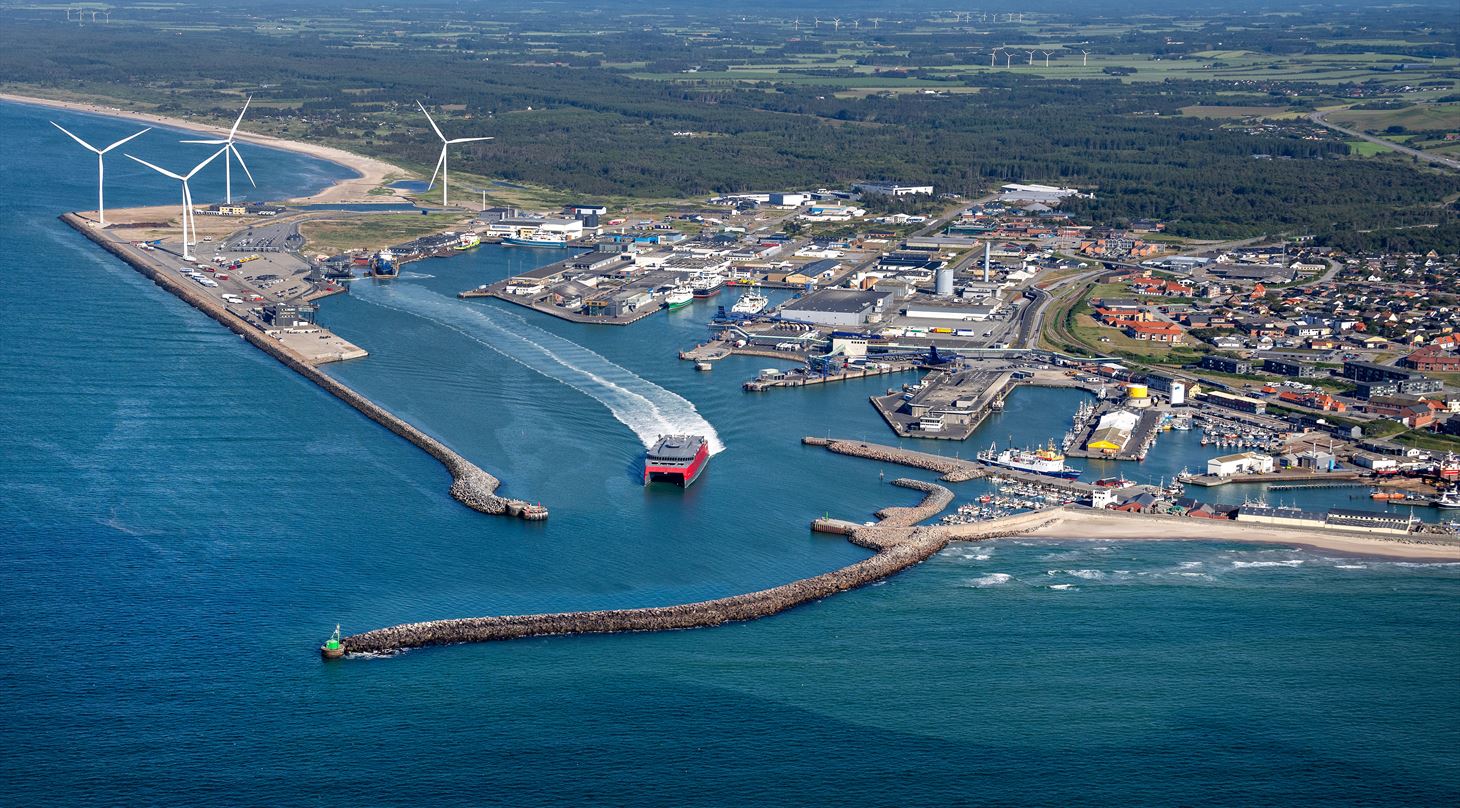
In a new ELFORSK-supported energy project, Danish Technological Institute, in collaboration with eight partners, will investigate the potential for flexibility and sector coupling at the Port of Hirtshals through the intelligent use of data.
DynFlex 2022-2025
The DynFlex project focuses on integrating large PtX plants into the energy system with high flexibility to support the expansion of renewable energy sources such as wind and solar. Through the development of methods for simulation, control, and operational optimization, as well as test facilities in laboratories and at full scale, the project aims to create safe, flexible, and efficient PtX plants.
HELIOS 2021-2024
In collaboration with Aarhus University and 16 other partners, the Danish Technological Institute is developing a new hybrid battery concept for electric vehicles. The purpose is to create a lightweight, environmentally friendly design that can be adapted to electric cars and electric buses using innovative materials, packaging design, and smart control to set new standards for performance, safety, lifetime, and recycling.
ALIGHT 2020-2025
The ALIGHT project aims to demonstrate the carbon-neutral airport of the future, with Copenhagen Airport as a lighthouse. By developing and implementing sustainable biofuels and energy solutions, including energy storage and intelligent infrastructure, the project seeks to create a model for green transition in the aviation sector.
WABAT 2019-2022
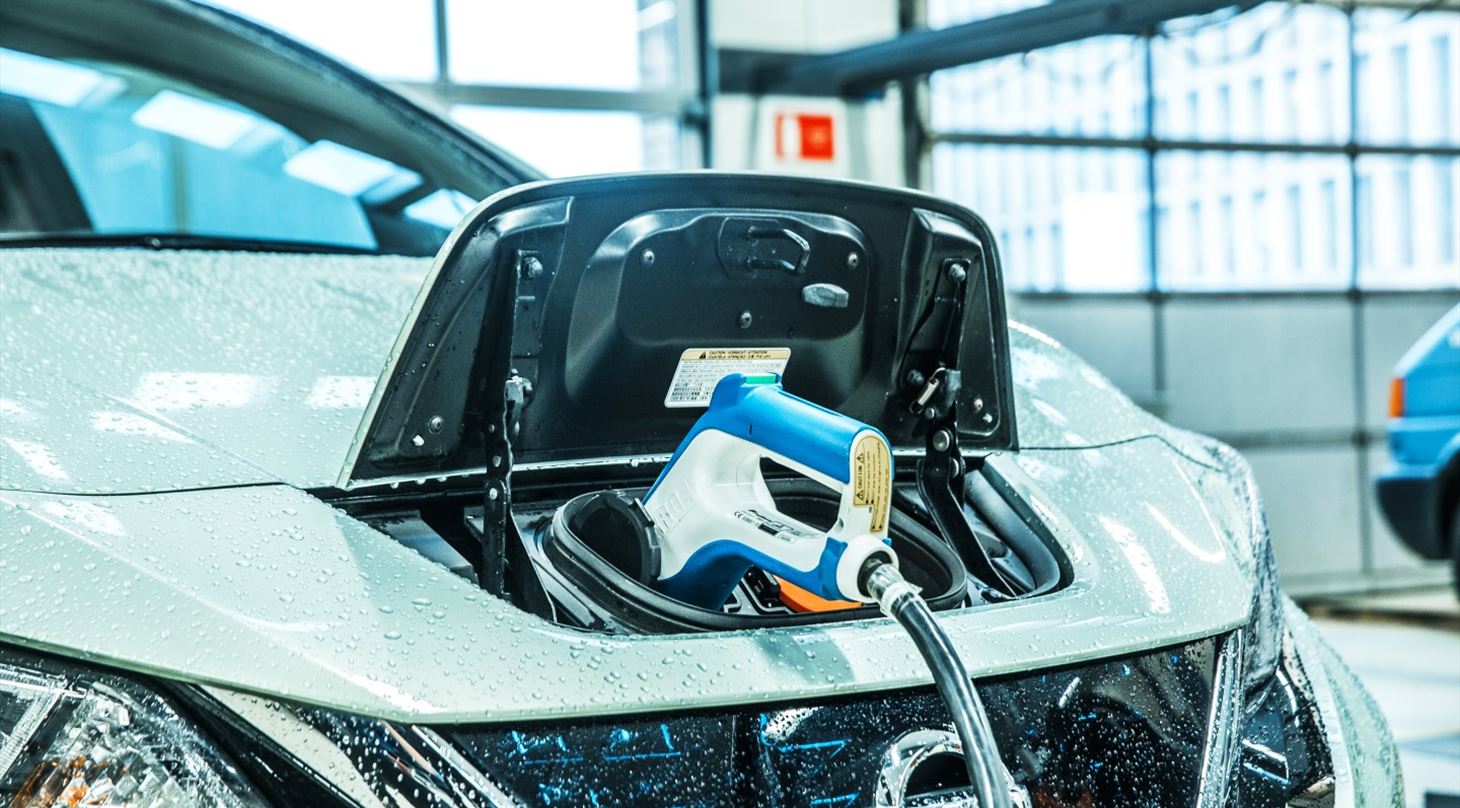
The WABAT project is developing an automated battery tester for mechanic workshops, based on the Batnostic method from the EUDP project. The project enables an independent assessment of battery health in electric vehicles through the DC fast charger port, which is crucial for the second-hand electric vehicle market.
SMILE 2017-2021
The primary goal of the SMILE project is to demonstrate 9 innovative technological solutions in large-scale smart grid demonstration projects on the Orkneys, Samsø, and Madeira. These solutions include, among other things, battery technology, power-to-heat, power-to-fuel, hydropower, electric vehicles, and predictive algorithms. The Danish Technological Institute participates in the project with a focus on transport and electrical systems.
SafeBESS 2017-2018
The SafeBESS project aims to ensure safety and security for owners of grid-connected battery systems in Denmark. With the expected increase in solar power generation and battery capacity in the coming years, it is crucial to address safety risks and increase awareness of the correct handling of battery systems.
Benchmark of battery systems 2017-2018
The project aims to develop and validate test methods that enable a quantitative comparison of grid-connected battery systems for buildings. In the long term, this will make it easier for installers and consumers to navigate the landscape of battery systems.
BATNOSTIC 2016-2018
BATNOSTIC is a groundbreaking project that has developed a method to assess the condition of an electric vehicle's battery pack – without interfering with the electric vehicle's OEM.
BESS 2014-2016
The purpose of the BESS project is to gain an economic overview as well as experience with developing and testing batteries as energy storage systems for the electricity system of the future. The project's goals include the operation of two large grid-connected battery systems, analysis of operational patterns, testing of battery cells, and the implementation of a downscaled grid-connected battery system.