
X-ray measurements document gentle treatment of milk with UV light
The company Lyras develops and manufactures systems for treating milk and other liquid foods using their “raslysation” technology based on UV-C light. In this connection, there was a need to ensure that the quality of the food is not reduced during the treatment. This is where the Danish Technological Institute’s specialists in advanced characterization could contribute.
By far most dairy products are made from pasteurised milk – that is, milk that has been heat-treated to eliminate unwanted bacteria. It is an energy-intensive process that can risk damaging proteins and other nutrients in the milk if it is not controlled very carefully.
As a more energy-efficient alternative, UV light can be used to inactivate the bacteria, and this is precisely what Lyras works with. The company develops and manufactures systems that use their own raslysation technology based on UV-C light to treat milk and other liquid foods. Here it is important that the quality of the food is not reduced during the treatment.
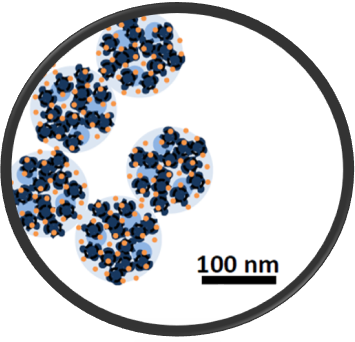 For milk, for example, it is essential that the nanostructure of the protein remains unchanged so it can be used in dairy products and have the desired function with respect to both nutritional content and texture.
X-ray measurements demonstrate unchanged nanostructure
The Danish Technological Institute has, in collaboration with Lyras, carried out X-ray measurements on whey before and after raslysation with UV light.
- Synchrotron X-ray can be used to verify whether – and how – specific treatments affect the integrity of functional ingredients in foods, explains Hanna Leemreize, Senior Specialist at the Danish Technological Institute.
Using the SAXS analytical technique, it could thus be demonstrated that the nanostructure is not changed by raslysation and can therefore be regarded as being extremely gentle on the whey protein.
The Danish Technological Institute’s services, utilizing large-scale research infrastructures, provided us with valuable insights in the development of our own process at Lyras. We can highly recommend partnering with them.
- Thomas Y. Michaelsen, Head of Research at Lyras A/S