Chemical analysis of the toxin cereulide from Bacillus cereus
Cereulide is a highly heat-stable toxin that can be produced by some bacteria belonging to the Bacillus cereus group. The toxin can cause nausea and severe vomiting, often within approximately 0.5–6 hours after consumption of food in which the bacterium has grown.
Bacillus cereus occurs naturally in soil, dust and on plants and forms resistant spores that may be present in dry raw materials such as rice, beans, flour, grains and spices. If the spores can germinate and B. cereus grows in a food under inappropriate time and temperature conditions, cereulide may be formed. The toxin is not inactivated by ordinary heating, boiling, frying or reheating.
Direct analysis for cereulide is an important supplement when it is necessary to document whether the toxin has actually been formed in an ingredient or food.
Cereulide testing is particularly relevant in cases of:
- Suspected process errors that allow the growth of B. cereus
- Consumer complaints or suspected foodborne outbreaks
- Investigation of the cause of foodborne outbreaks
- Verification of the absence of cereulide in relation to supplier requirements/product data sheets
We provide
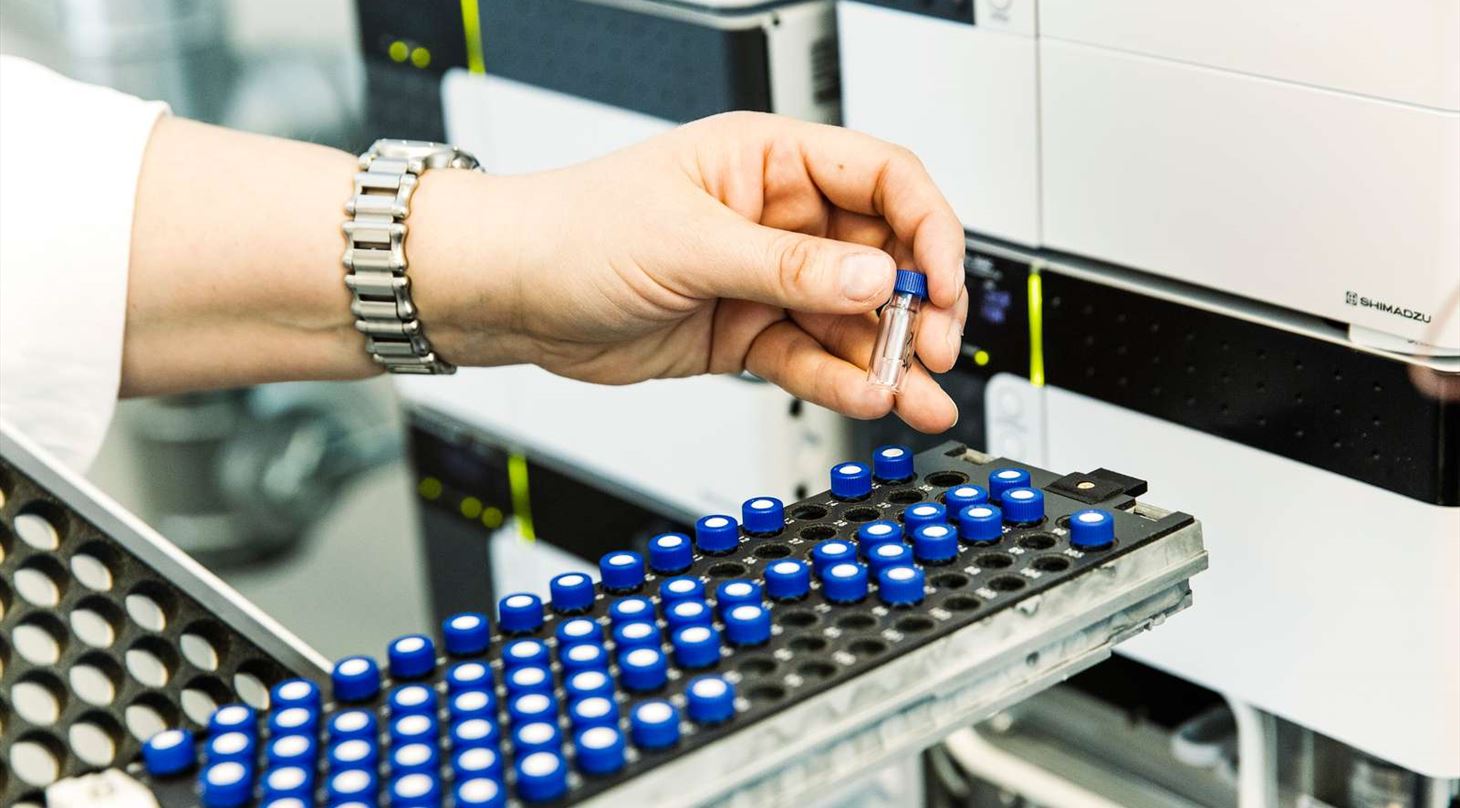
The Chemical Laboratory at Danish Technological Institute offers specific and quantitative analysis of cereulide by LC-MS/MS. The method is used for the direct detection and quantification of the heat-stable toxin by testing the sample material against a calibration curve. The method has an LOQ of 0.1 µg/kg and is performed in accordance with ISO 18565:2017 – Microbiology of the food chain – Quantitative determination of emetic toxin (cereulide) using LC-MS/MS
About us
The laboratory operates in accordance with ISO 17025 accreditation within the Production and Food Division at Danish Technological Institute. The division employs more than 350 professionally dedicated staff members, ensuring the highest level of insight and expertise.
Learn more about B. cereus
Spores can be introduced into food through raw materials and the production environment. The risk is particularly relevant for prepared foods that have not been adequately preserved and are stored incorrectly, for example for too long at temperatures of 12–28°C, which are optimal for the production of cereulide. Examples include cooked rice, pasta, sauces, stews, buffet dishes stored at room temperature, or production processes carried out at critical temperatures without sufficient measures to eliminate the bacterium or prevent its growth.
Vegetative cells of B. cereus can normally be reduced or killed by sufficient heat treatment, whereas spores may survive. Cereulide is heat-stable, invisible and potentially dangerous. Food safety is therefore ensured primarily through preventive control of raw materials, hygiene, cooling, storage temperature and shelf life.