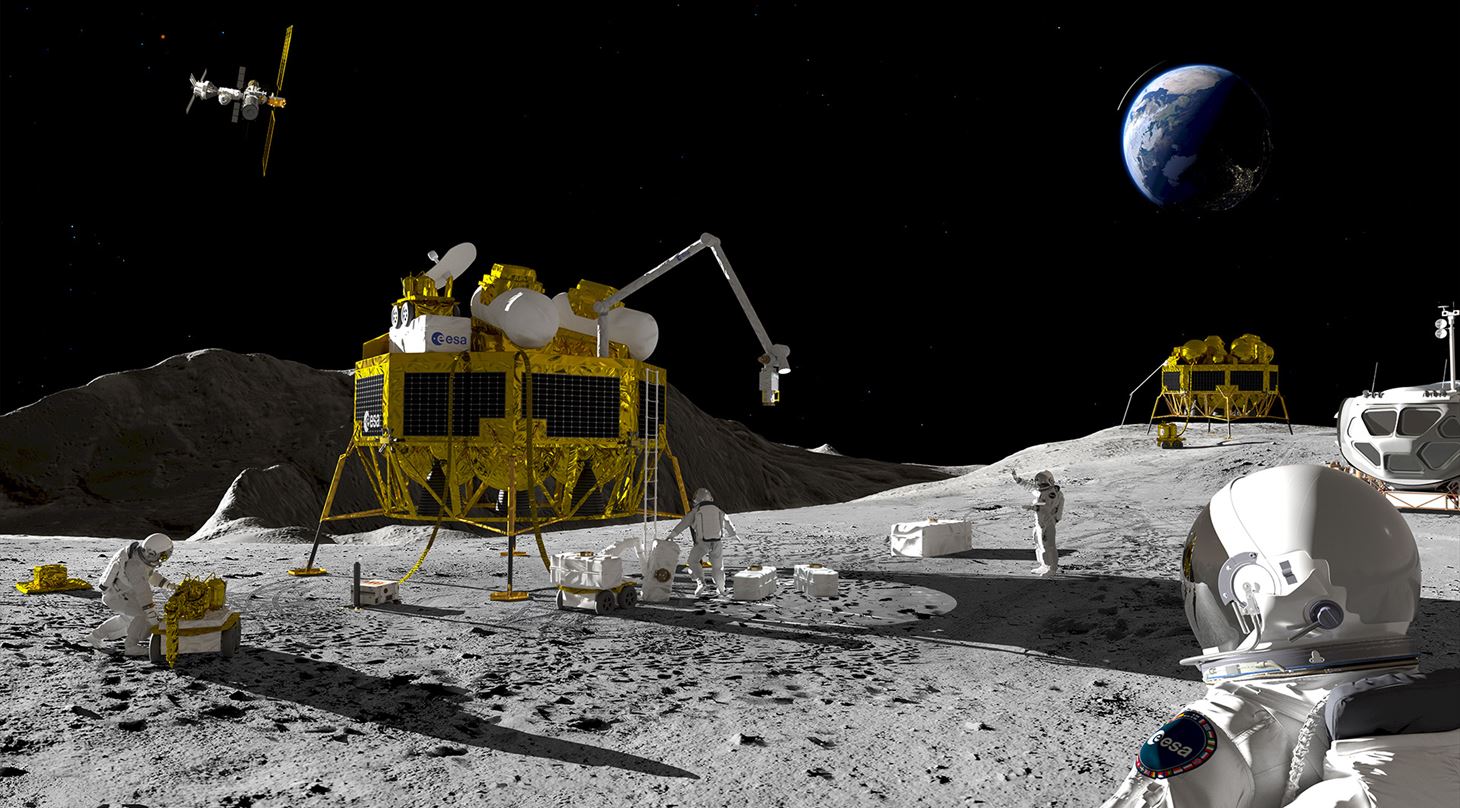
Smart Skin for Exploration Cobots - advanced protection for future space robots
The ESA project Smart Skin for Exploration Cobots will develop a 3D-printed, multifunctional protective suit that enables robotic arms to survive and work under the most extreme conditions on the Moon and in space.
The future of space exploration – from resource extraction on the Moon to the maintenance of satellites and space stations in orbit – will increasingly depend on robots as the primary workforce.
However, the space environment is one of the most hostile environments there is: robots are exposed to everything from fine-grained, abrasive lunar dust and intense cosmic radiation to extreme temperature swings between -150 °C and +120 °C.
For robots to operate safely and autonomously under these conditions, a completely new type of protection is needed, which is robust, light and flexible.
The European Space Agency project Smart Skin for Exploration Cobots addresses this challenge by developing the next generation of protective covers for robotic arms.
The project builds on a successful pilot phase and creates a flexible multilayer protection based on a 3D-printed lattice structure that can be folded directly around the robotic arms.
A multifunctional platform
The solution works as a multifunctional platform with four integrated functions:
Thermal protection
Shields against extreme temperature fluctuations in the vacuum of space.
Active dust protection
Prevents the aggressive lunar dust from penetrating mechanical joints and damaging the equipment.
Integrated infrastructure
Flexible power and data cables printed directly into the structure.
Collision sensors
Sensor networks that detect the surroundings and prevent collisions during operation.
In addition to space missions, the technology also holds strong potential for "down-to-earth" industries where robots and sensors are exposed to harsh environments – for example, offshore wind turbines, where increased component lifetime can reduce costly and risky service visits.
The role of Danish Technological Institute
DTI has been appointed by the European Space Agency (ESA) to lead the international consortium and coordinate the project's activities. In addition to project management, the Institute contributes interdisciplinary expertise in advanced robotics, printed electronics and industrial 3D printing.
A key task for DTI is to push the boundaries of 3D printing technology by developing and manufacturing the complex lattice structures. These structures must be designed with entirely new material combinations, so that they both achieve the necessary mechanical flexibility and can withstand the violent stresses of a rocket launch as well as the extreme cold, heat and radiation of space.
The project is carried out in close collaboration with European partners: Admatis (Hungary) is developing the thermal protection, while PIAP Space (Poland) and Redwire Space Europe (Luxembourg) are providing the very same robotic arms that are currently being developed for ESA's upcoming lunar missions. This ensures that the technology is tested and demonstrated under realistic, space-like conditions on relevant systems.
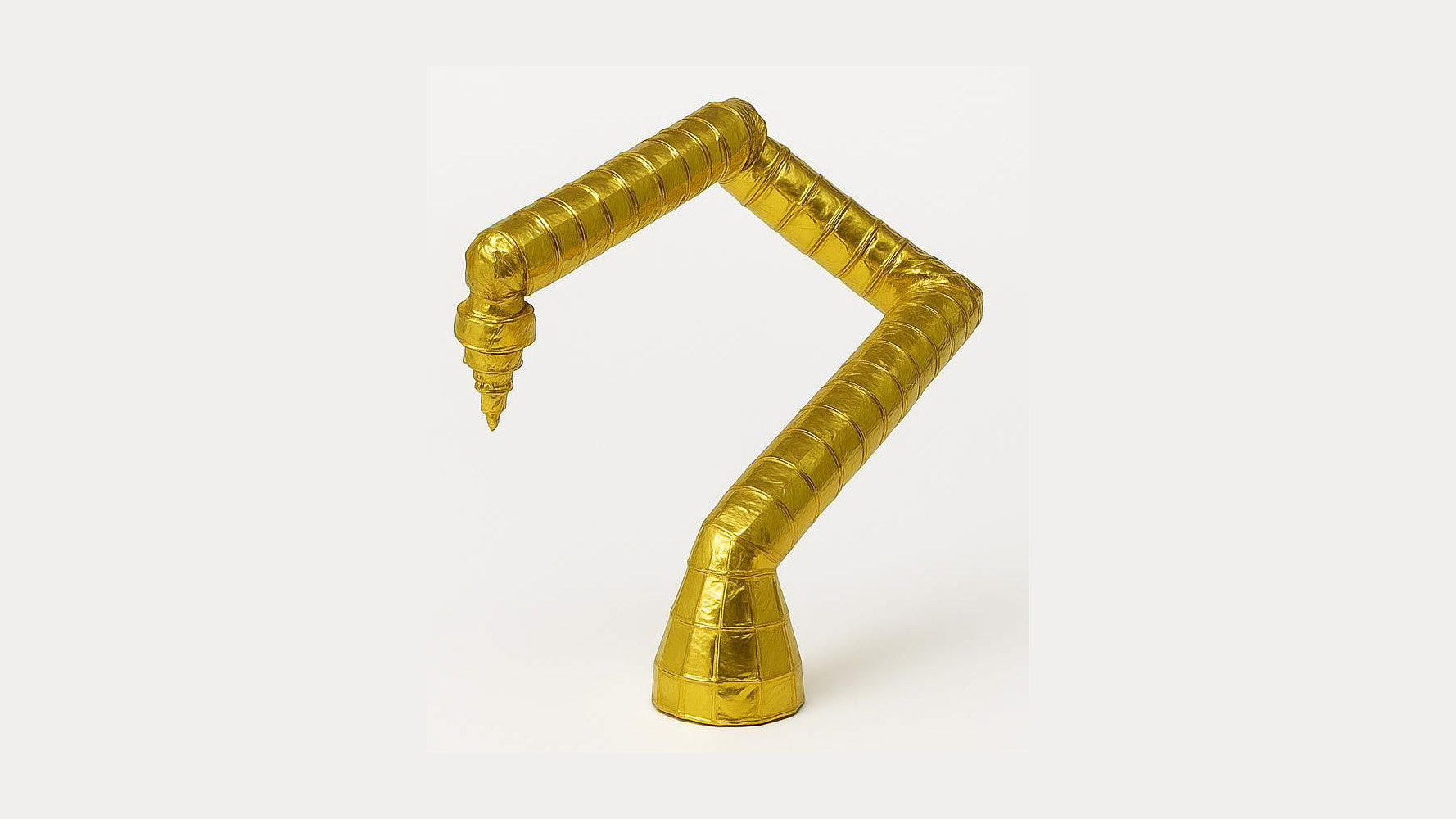
Project facts
Budget: DKK 12.5 million
Duration: 24 months (2026-2028)
Partners: Danish Technological Institute (Denmark), Admatis (Hungary), PIAP Space (Poland), Redwire Space Europe (Luxembourg)
Objective: Two functional solutions tested under space-like conditions