Digital simulations strengthen the development of lighter and more robust plastic packaging
An ongoing collaboration between the Danish company PPD (PlastPackDefence) ApS and the Danish Technological Institute demonstrates how high-tech simulation, material understanding, and precise documentation can optimize complex product development and reduce the risk associated with heavy investments.
Denmark is at the forefront when it comes to the development and production of innovative solutions for demanding industries. The collaboration between PPD and the Danish Technological Institute, Plastics and Packaging, is a strong example of how advanced technology and material selection go hand in hand to create robust, resource-saving solutions for transport and logistics.
From idea to reality: Lightweight cases in polypropylene
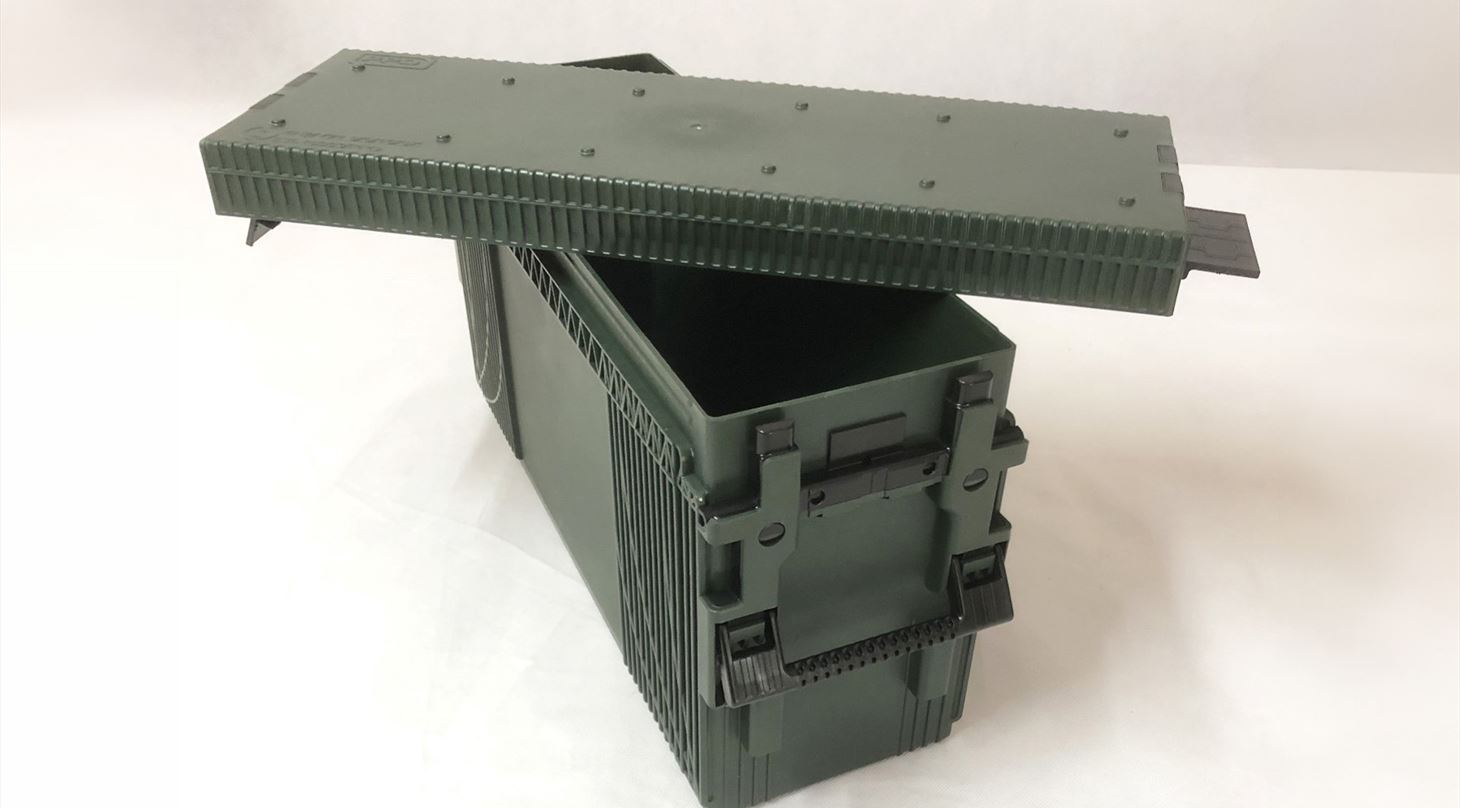
Traditionally, robust transport cases for ammunition logistics are manufactured from steel or wood. Although these materials are durable, they involve significant dead weight, which increases transport costs and resource consumption. To address this, PPD develops and produces advanced, injection-molded ammunition cases made of polypropylene (PP). These cases are designed to meet extremely strict requirements for robustness and safety.
Before PPD invests in expensive production tooling, the Danish Technological Institute performs advanced 3D simulations of the cases. The simulations predict the mechanical behavior of the material and design under relevant, standardized loads such as impact, vibration, drop, compression, and stacking. In this way, the design can be digitally optimized and documented before production begins. This minimizes the risk of costly design flaws and strengthens the level of innovation throughout the development process.
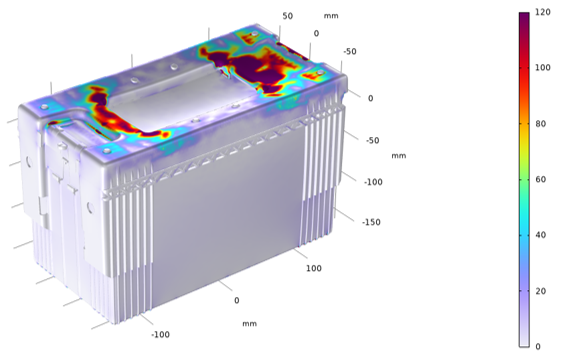
The image shows a 3D computer simulation of how the ammunition case handles a stacking test. The colors show where the walls and lid are subjected to the highest stress. The higher the stress in an area, the greater the risk that the case will not pass the test.
High-tech knowledge partner ensures precise documentation
When packaging is developed for sensitive or heavy goods, the solutions must comply with strict international standards. Development is therefore based on relevant technical and logistical requirements, including military and industrial test standards such as MIL-STD, STANAG/MOPI, DEF-STAN, as well as requirements related to UN/ADR for the transport of dangerous goods.
In this project, the Danish Technological Institute acts as a technological knowledge partner. The institute not only contributes simulation and material characterization, but also supports the documentation and planning of physical tests so that the packaging's design and functionality can be fully verified against applicable requirements.
This means that product development is not based solely on assumptions, but is anchored in solid, documented knowledge. For PPD, this systematic approach is crucial, as the packaging must function safely and reliably under the most demanding logistical conditions.
Weight and energy optimization in the supply chain
The new PP cases significantly reduce weight compared to traditional steel cases. This marked weight reduction has a direct impact on resource consumption during transport. Lighter packaging means lower fuel consumption and optimized logistics for the vehicles and means of transport moving the goods.
In addition to the logistical benefits, the transition from heavy materials to optimized plastic packaging contributes to a lower carbon footprint. By choosing lighter materials and structurally optimized designs, energy consumption is reduced in transport, handling, and the overall value chain.
Danish Technological Institute as a link
The Danish Technological Institute brings specialized knowledge of plastic materials, simulation techniques, material testing, and documentation into the collaboration. Through 3D simulations and materials science consulting, the institute helps PPD optimize product design and prepare for flawless production. The institute thus serves as an effective link between the early development phase, testing, and final industrial implementation.
The collaboration with the Danish Technological Institute has given us a much stronger basis for decision-making in the development of our lightweight cases. The combination of simulation, testing, and material understanding enables us to develop faster, reduce investment risks, and at the same time stand stronger in front of customers who demand high standards for documentation and performance
- Jørgen Dahl, COO and co-owner of PPD ApS
Perspectives for advanced packaging in commercial industries
The experience gained from simulating and optimizing PPD’s ammunition cases extends far beyond this specific case study. The same advanced calculation models, material characterizations, and test methods can be directly transferred to the development of other types of high-performance plastic packaging for demanding commercial transport tasks - for example, for sensitive electronics, spare parts, pharmaceuticals, or other high-value goods.
By combining lightweight polypropylene structures with structurally optimized geometries, commercial supply chains can also reduce packaging dead weight, improve stacking properties, and document safety digitally before investing in physical production tooling.
Knowledge built in projects like this paves the way for more sustainable, durable, and resource-optimized packaging solutions across the entire industry.