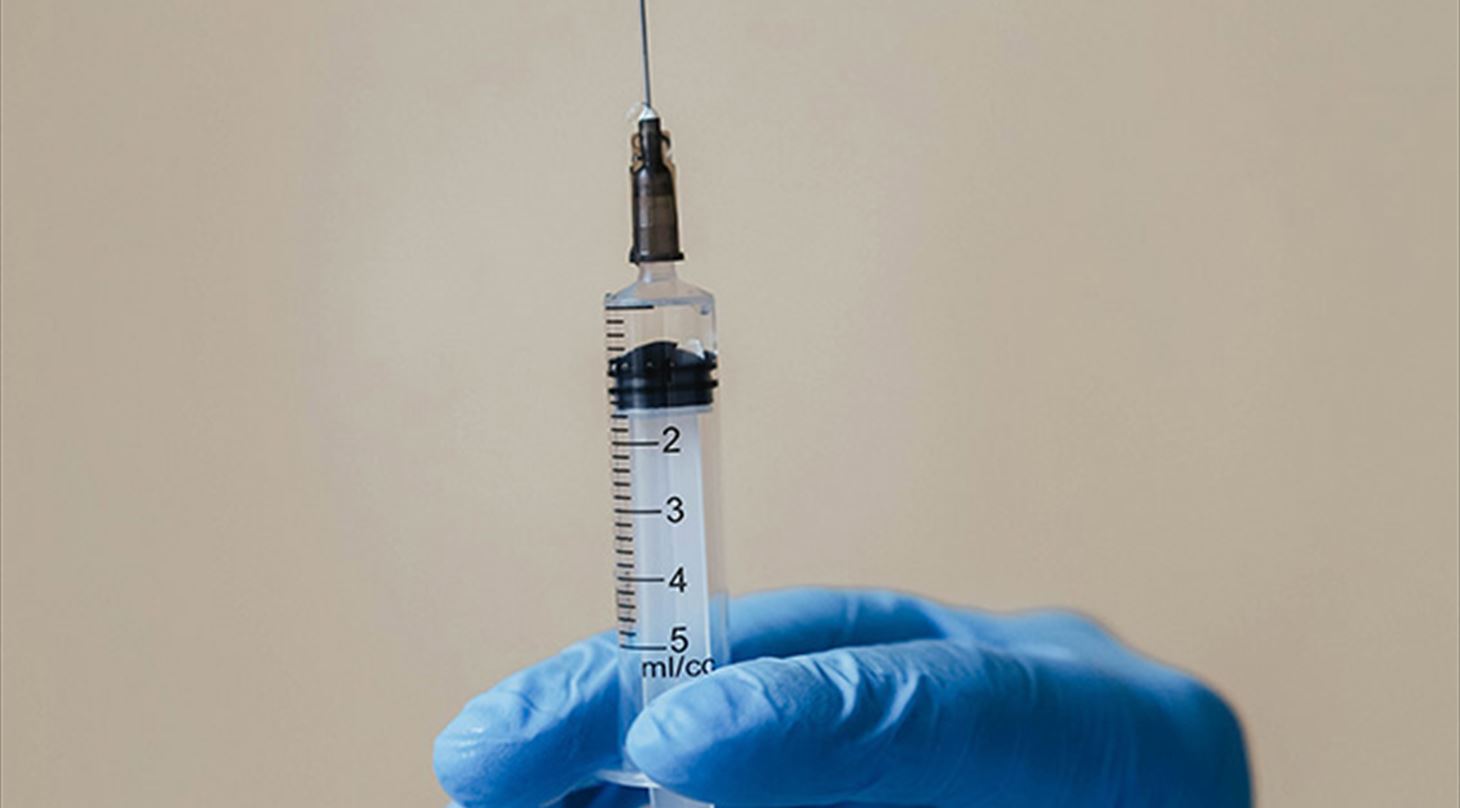
Accredited testing of luer connectors according to EN ISO 80369
 In Danish
Document that your luer connectors meet the requirements of the EN ISO 80369 standard - with accredited testing that withstands regulatory scrutiny and supports CE marking.
Luer connectors are among the most widely used connection types in medical devices, utilized in syringes, infusion sets, catheters, drains, and a wide variety of other applications. The EN ISO 80369 series defines the requirements for these small-bore connectors, replacing the older ISO 594 standard.
Danish Technological Institute tests luer connectors according to EN ISO 80369-1, EN ISO 80369-7, and EN ISO 80369-20. The testing documents that the connectors comply with functional requirements for leakage, mechanical strength, and safety - providing you with an accredited test report that can be directly included in your technical documentation.
How can Danish Technological Institute assist you?
Danish Technological Institute offers testing of luer connectors within the following areas:
- Fluid leakage: documentation that the connection remains leak-tight under hydraulic pressure
- Sub-atmospheric pressure air leakage: testing seal integrity under vacuum conditions
- Stress cracking: evaluation of connector resistance to cracking under sustained load
- Resistance to separation from axial load: testing whether the connection holds under tensile force
- Resistance to separation from unscrewing: testing whether the connection can be inadvertently disconnected by torque
- Resistance to overriding: testing the connector’s resistance to thread-overriding caused by incorrect assembly
- Ongoing quality control: routine testing of production batches
- Standalone testing: testing in connection with product development, type testing, or design approval
Our accredited testing of plastics and rubber
What is EN ISO 80369, and why does it replace ISO 594?
EN ISO 80369 is an international series of standards for small-bore connectors used for liquids and gases in healthcare applications. The series replaces the older ISO 594 standard, which previously defined the specifications for luer fittings.
The EN ISO 80369 series was developed to mitigate the risk of misconnections between medical delivery systems that are not intended to interface - such as between intravenous and enteral systems. The standard introduces more stringent requirements for functional performance and safety.
EN ISO 80369-1 outlines general requirements, such as the stiffness of the plastic material. In addition, it provides test methods to assess non-interconnectable characteristics (preventing incorrect cross-connections).
EN ISO 80369-7 specifies requirements for luer lock and luer slip connectors intended for intravascular and hypodermic applications. It defines the functional tests required to verify that the connection remains tight, robust, and safe during use.
EN ISO 80369-20 specifies the common test methods used to evaluate these functional requirements.
For manufacturers who previously tested according to ISO 594, transitioning to EN ISO 80369 means that testing protocols must be updated. Danish Technological Institute can assist in designing testing regimens aligned with the new standard.
Which properties are tested under EN ISO 80369-7?
EN ISO 80369-7 sets requirements for six functional properties that verify the safe and reliable operation of the luer connector:
Test | What is documented? |
|---|---|
Fluid leakage | The connection is tight under fluid pressure |
Sub-atmospheric pressure air leakage | The connection is tight under vacuum / negative pressure |
Stress cracking | The connector resists cracking when subjected to stress |
Resistance to separation from axial load | The connection holds under axial tension (pulling force) |
Resistance to separation from unscrewing | The connection cannot be inadvertently unscrewed / disconnected by torque |
Resistance to overriding | The connector resists incorrect assembly and thread stripping |
The test results are compiled into an accredited test report that can be directly integrated into the technical documentation - for example, as part of CE marking under the Medical Device Regulation (MDR).
When is this testing relevant?
Accredited testing of luer connectors according to EN ISO 80369 is relevant in several scenarios:
- Product development and design verification - documenting that new connectors meet standard requirements before submission for regulatory approval
- CE marking and MDR documentation - accredited test results for submission to the notified body within the technical documentation
- Transition from ISO 594 to EN ISO 80369 - updating existing legacy documentation to the current standard
- Ongoing quality control - routine batch testing to ensure consistent production quality
- Supplier qualification - verifying that connectors sourced from new vendors comply with specifications
- Complaint investigation - independent, third-party testing in the event of customer complaints or non-conformities
Contact us regarding testing of luer connectors
Do you need testing of luer connectors - either as part of a development process or for ongoing quality control? Contact Danish Technological Institute to discuss your testing requirements and applicable standards.