Industrial electrification
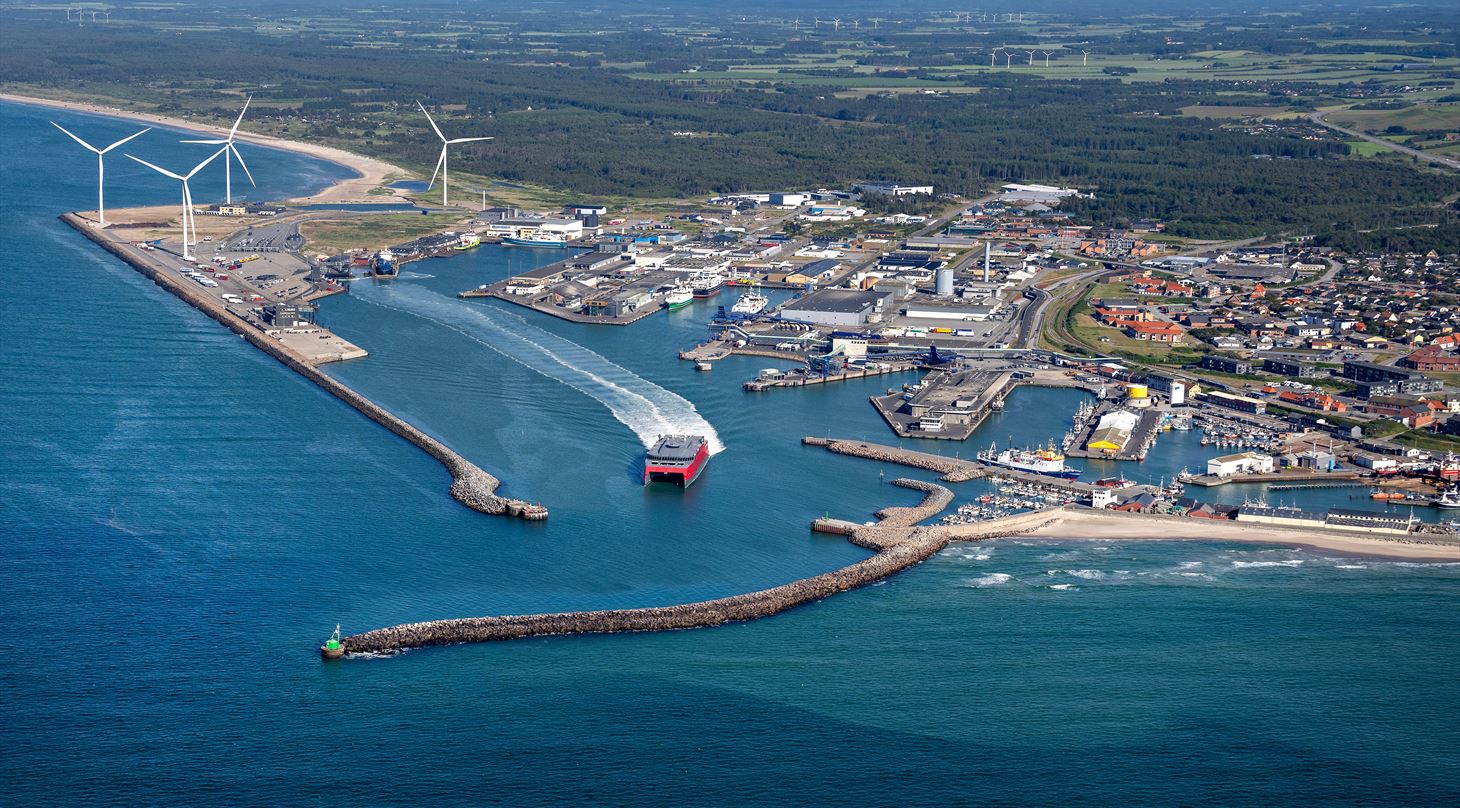
Photo: Port of Hirtshals
For many industrial companies, electrification is the path to lower CO₂ emissions, reduced dependence on fossil fuels and more future-proof production. It is an obvious choice for companies looking to phase out gas and other fossil energy sources. But it is also relevant for companies that want to expand production, introduce new electric processes or increase the level of automation.
However, electrification is rarely just a matter of replacing one energy source with another. It requires the right technology choices, correct dimensioning and solutions that work in practice.
At the Danish Technological Institute, we can help your company identify and implement the solutions that make electrification possible. Our consultancy is based on applied research, international collaborations through programs such as Horizon Europe and the IEA, as well as experience from our own laboratories. This gives us strong practical and technological insight, enabling us to provide the best possible basis for deciding the next steps in your electrification journey - making it robust, realistic and value-creating.
When limited grid capacity becomes a barrier
Limited capacity in the electricity grid can also become a barrier to electrification, resulting in longer waiting times for grid connection. This is the reality for many companies right now. It can make green transition, production expansions and new electricity-based solutions more difficult to implement. But here too, your company has technological options that can help you move forward.
Get help with electrification without increasing your grid connection capacity
Your partner in electrification
We take your company’s specific situation, needs and ambitions as our starting point and help you find the right way forward. Among other things, we offer:
Mapping of processes and energy needs
Get an overview of your current energy consumption, process parameters and electrification potential. As part of the consultancy, you will also receive concrete recommendations for energy-saving measures that can reduce both operating costs and the investment required for electrification.
Analysis of technical solutions
We present relevant technological solutions and process optimization based on your production, needs and framework conditions.
Dimensioning and calculations
Get help designing systems and solutions that match your operations, finances and energy system.
Roadmaps and decision-making basis
- Get help developing a realistic plan for electrification and the next steps.
Testing, documentation and implementation
We support you from analysis to testing and implementation, ensuring that the solutions also work in practice.
Technologies
Here you can read about technologies that can help your company electrify more intelligently, use energy more efficiently and, in many cases, get more out of your existing electricity capacity.
Heat pumps
▾
Heat pumps can replace fossil-based heating in both buildings and industrial processes and are often a key part of electrification. When correctly dimensioned and integrated with the company’s process equipment, they can reduce energy consumption and make the transition more robust. In some cases, they can also help reduce the need for additional capacity from the electricity grid.
Thermal storage makes it possible to store heat or cooling for later use. This creates flexibility in the energy system. It also makes it possible to produce heat or cooling when the load on the electricity grid is lower and use it later in the process. This can reduce peak loads and make electrification possible within the capacity the company already has.
Thermal storage
▾
Battery systems can store electricity and supply it when demand is highest. This makes them relevant for managing short-term power peaks, supporting flexibility and creating a better balance between consumption and production. Combined with intelligent control, batteries can help make better use of the existing grid connection and reduce the need for additional capacity. Energy communities and local energy solutions can create new opportunities to share, control and use energy more intelligently at local level. This may be relevant for companies that want to connect their own production, storage and consumption more closely, or explore shared solutions with other stakeholders. Local energy solutions can increase flexibility and reduce dependence on the electricity grid during periods of capacity pressure. Smart energy is about making the energy system work more intelligently as a whole. This can involve controlling consumption, enabling interaction between technologies, data-driven optimization and flexible operation. The aim is to use energy more efficiently, reduce peak loads and create a better match between the company’s needs and the framework set by the energy system. Good power quality and high energy efficiency are important for both operational reliability and electrification. Energy efficiency improvements can reduce unnecessary energy consumption and, in many cases, free up capacity for new electric solutions. At the same time, working with power quality can be crucial to ensuring that new systems and processes operate stably and efficiently in practice. Contact Director David Tveit if you would like to hear more about how your company can collaborate with the Danish Technological Institute, or if you would like an initial, exploratory discussion about your opportunities. David can be contacted at +45 72 20 32 43 or dt@teknologisk.dk
Battery systems and grid connection
▾
Energy communities and local energy solutions
▾
Smart energy
▾
Power quality and energy efficiency
▾
Would you like to know more?