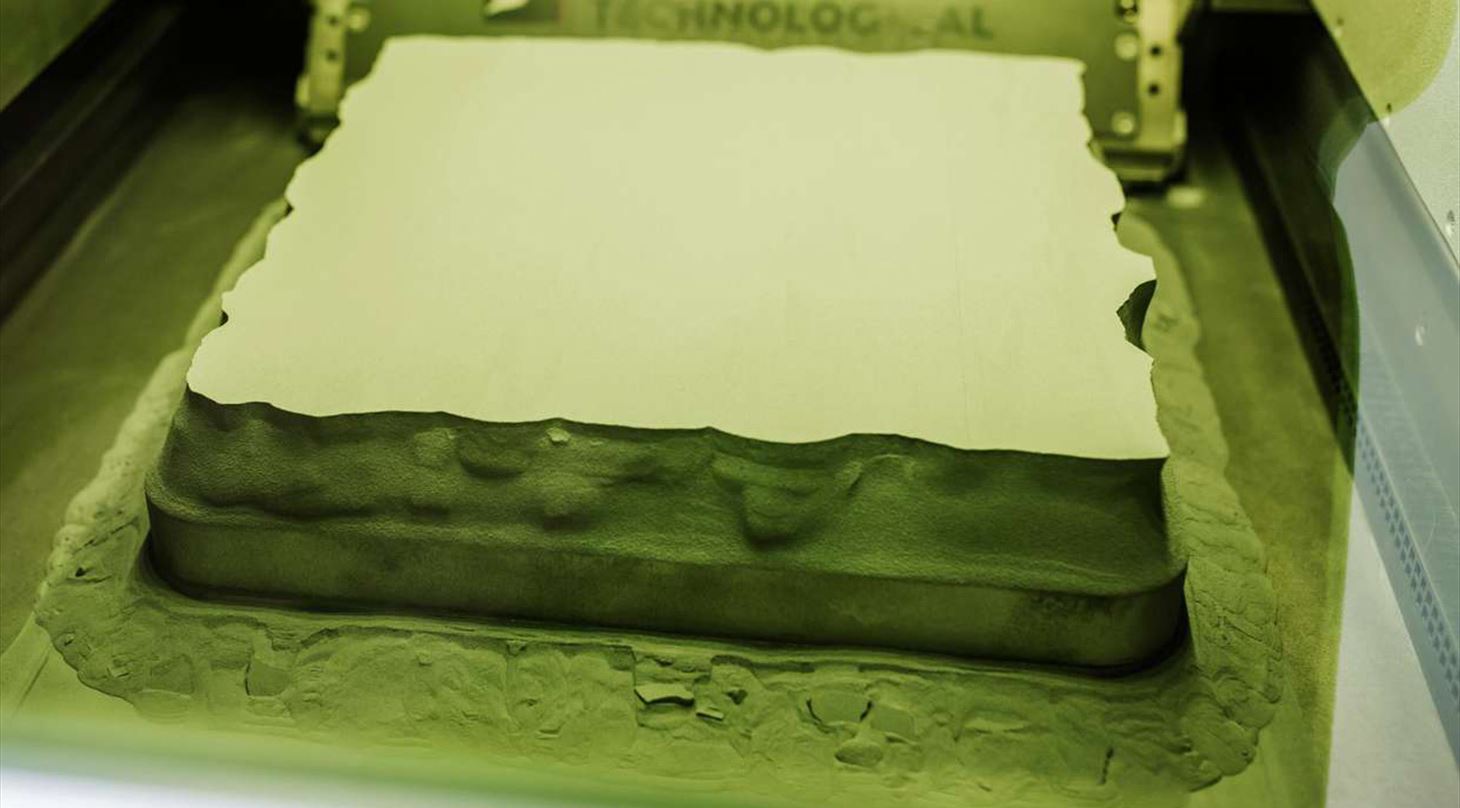
When hand welding becomes a bottleneck: Blue World Technologies bets on a 3D-printed burner
When you want to replace diesel generators and make methanol a green energy carrier, the underlying technology must be extremely robust – and here 3D printing may prove to be the solution for Blue World Technologies.
Blue World Technologies develops fuel cell-based generators for e.g. the telecom market, where the generators are intended to help ensure autonomy and continued operation of, for example, antennas in the event of a power outage. In this context, an apparently simple component turned out to be a crucial challenge: a high-temperature burner that must be able to handle both methanol and hydrogen at very high temperatures.
The original burner – a so-called open flame burner – was made from thin sheets that were bent and hand-welded together. However, the combination of an exotic alloy and many weld seams made the component both expensive and vulnerable. The welds in particular were the weak points, as variations in the craftsmanship created challenges with consistency and service life.
- It has been important for us to remove the uncertainties associated with manual processes. For example, welding robots can also achieve greater consistency than even very skilled welders. But if you can avoid welding altogether, then that is the best solution – I learned that back in school, says Søren Juhl Andreasen, Head of Fuel Cell Stack and Low-Power Platform at Blue World Technologies.
Enter: 3D printing in Inconel
Blue World Technologies contacted the Danish Technological Institute to investigate whether metal 3D printing could be the path to a more robust and scalable solution. The material choice fell on Inconel because the component is exposed to extreme heat. Inconel refers to a group of nickel-chromium-based superalloys known for exceptional corrosion resistance, oxidation resistance, and high strength at extreme temperatures.
The really big difference, however, was that this time it would be an additively manufactured burner instead of sheet metal and welding.
Blue World Technologies wanted to handle the design and further development themselves, while the Danish Technological Institute would act as a sparring partner on how geometries and functions could be realized with 3D printing. The goal was for Blue World’s engineers to gradually learn to think “print first” – both in relation to design rules and the possibilities of integrating multiple functions into a single component.
Drop-in replacement – and long-term testing in a harsh environment
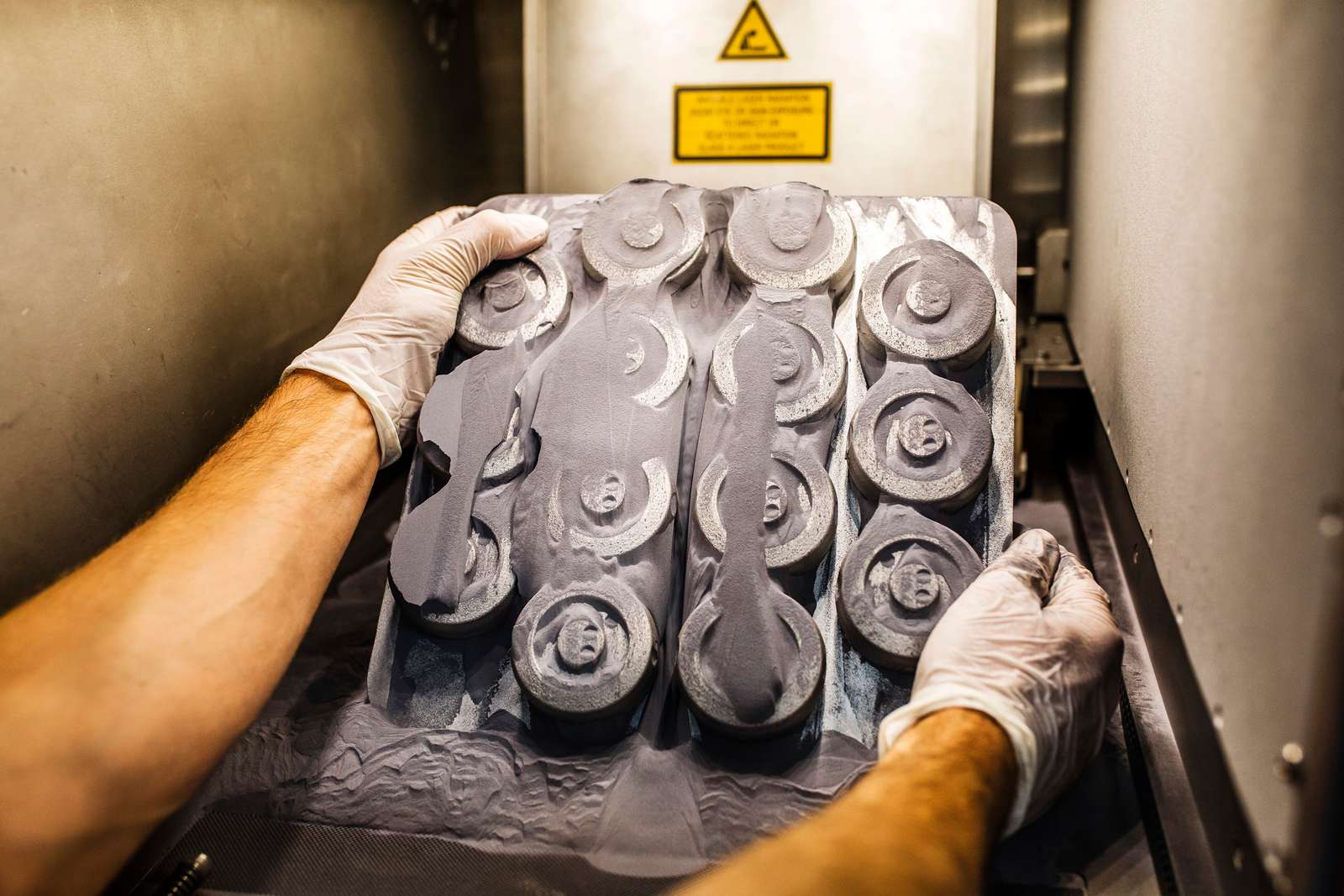
The first step was a 3D-printed version of the burner that closely resembled the original design so that it could function as a drop-in replacement in existing systems. Initial tests showed that the functionality matched – and that the burner could be incorporated into complex fuel cell systems without any other changes.
Subsequently, Blue World Technologies has begun accelerated long-term testing, where the burner is literally being put through its paces to compress the testing time.
Some of the first versions we had 3D-printed are still running. We are desperately trying to smash them, but it’s not going so well. They are still working
- Søren Juhl Andreasen, Blue World Technologies
Fewer parts, lower cost – and more knowledge
In their work with 3D printing, Blue World Technologies has now begun to make more aggressive use of the technology’s design freedom for the next versions of the burner: fewer individual parts, no weld seams, integrated pipes, and opportunities for more sophisticated control of combustion and temperature.
But already in the initial version, the reduction in both material consumption and manual production time has meant that the unit price is lower than for the welded version.
- If you have a gadget consisting of 50 components, then you have to weld them together and have fixtures and the like. That just takes time. So already at the current stage, we have achieved cost reductions with the 3D-printed version – primarily through material reduction and manufacturing time, says Søren Juhl Andreasen.
But the value is multifaceted: higher and more stable quality, longer service life, lower cost price – and an internal engineering team that can now design the next generation of 3D-printed components themselves. In this connection, there is praise for the specialists at the Danish Technological Institute.
The collaboration has been efficient and flexible, and the Danish Technological Institute has been willing to do things in ‘our’ way, where we ourselves took ownership of the process. The things we work with are completely new, so no one has the answers as to how it should be made; but we were given the opportunity to try out quite a few different things
- Søren Juhl Andreasen, Blue World Technologies
Next step: smaller, cheaper, more widespread
One of the next things Blue World Technologies would like to look at is ‘miniaturization’ – that is, reducing the height and diameter of the component so that the print time, and thus the price, comes down even further. And then it is a matter of getting the burner fully validated for commercial customer solutions.