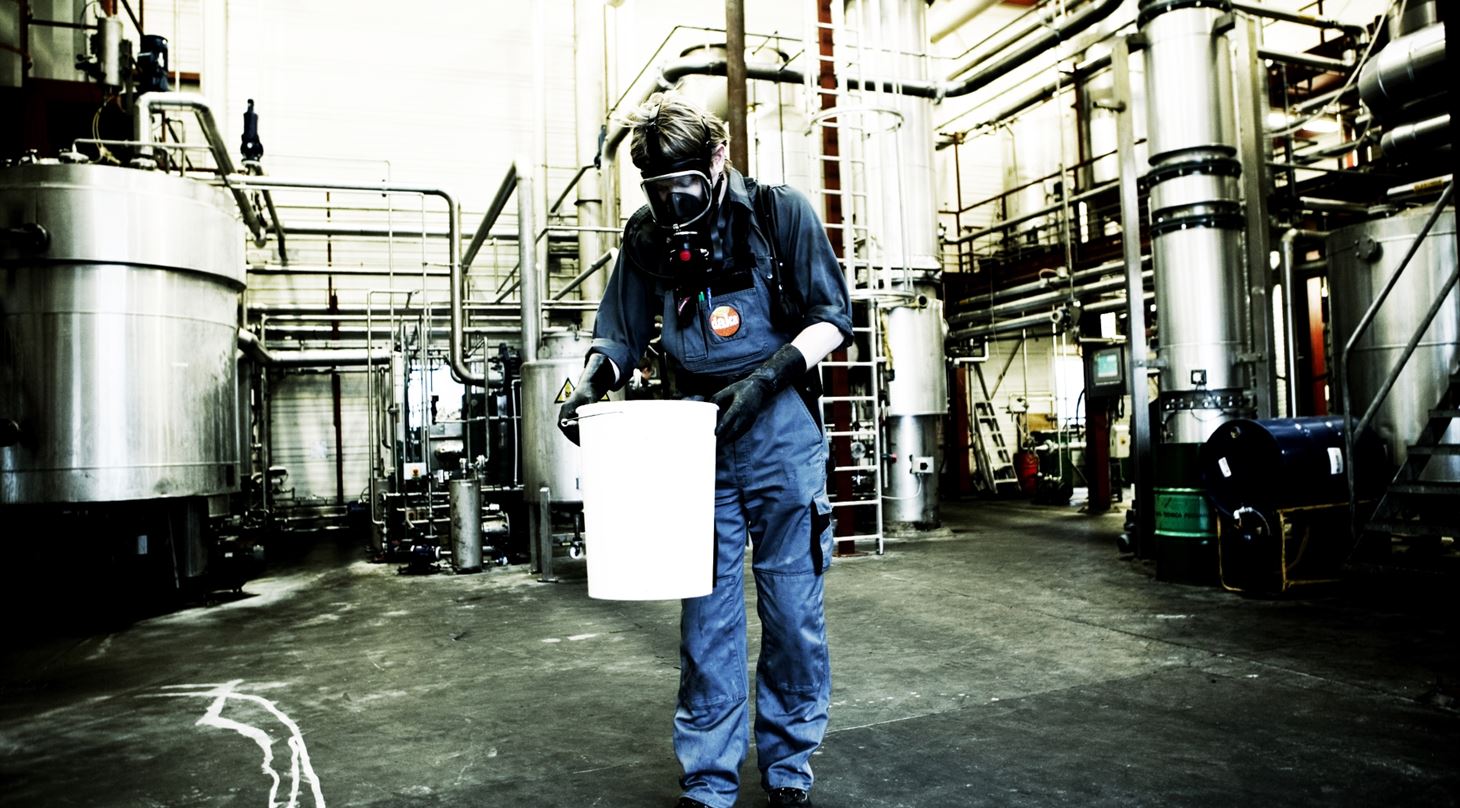
ATEX workplace risk assessment - Mandatory hazardous area classification and risk assessment
 In Danish
Complying with ATEX requirements through the preparation of an ATEX workplace risk assessment (ATEX-APV / Explosion Protection Document) is a legal requirement. It helps minimise explosion risks and protects employees.
An ATEX workplace risk assessment is legally mandatory for companies handling flammable substances that can give rise to an explosive atmosphere in the form of gases, vapours, mists, or dusts. Hazardous area classification provides the basis for identifying explosion risks and defines the necessary technical and organisational safety measures required under the ATEX Workplace Directive 1999/92/EC.
Danish Technological Institute has extensive experience and assists in preparing or updating your ATEX workplace risk assessment, providing you with a robust safety foundation and documentation that holds up – both in everyday operations and during regulatory audits.
How can Danish Technological Institute help you?
We provide independent advisory services and can prepare all or parts of your ATEX documentation:
 Ex logo Identification of flammable substances: Identification of liquids, gases, vapours, and dusts that can generate an explosive atmosphere.
- Hazardous area classification: Precise zoning and assessment of potentially explosive areas based on specific calculations and plant conditions.
- Ignition source analysis: Systematic identification and evaluation of potential ignition sources in accordance with DS/EN 1127-1 in areas with a risk of explosive atmospheres.
- Assessment of equipment and installations: Verification of whether new or existing equipment is properly marked and suitable for use in the designated zones.
- Preparation of actionable action plans: Recommendations for appropriate technical and organisational measures, compiled into concrete action plans.
- Updating existing ATEX workplace risk assessments: Review and revision following process changes, plant modifications, significant incidents, or at least every 3 years.
- Second opinions and audit preparation: Independent review of your current ATEX documentation prior to inspections by the Danish Working Environment Authority (Arbejdstilsynet), emergency services, or insurance companies.
Advisory services on the ATEX workplace directive 1999/92/EC
The ATEX Workplace Directive 1999/92/EC establishes minimum requirements for improving the safety and health protection of workers potentially at risk from explosive atmospheres. The directive is transposed into Danish law via executive orders issued by the Danish Working Environment Authority and the Danish Emergency Management Agency (Beredskabsstyrelsen). It explicitly requires employers to systematically assess explosion risks, carry out hazardous area classification, and compile an extended workplace risk assessment - in practice known as an ATEX-APV (Explosion Protection Document).
Danish Technological Institute offers independent specialist consultancy on all facets of the ATEX Workplace Directive. We assist you in:
- Interpreting and complying with legislation: We ensure your company complies with both the overarching European framework and specific Danish occupational health and safety regulations.
- Translating regulations and standards into practice: We help convert technical directive requirements into operational guidelines for staff and plant installations.
- Evaluating interfaces between equipment and operations: We provide guidance on the intersection between the ATEX Workplace Directive (workplace safety) and the ATEX Equipment Directive 2014/34/EU (CE marking and equipment requirements).
With guidance from Danish Technological Institute, you receive a clear roadmap for ensuring your facilities and operational workflows comply with statutory requirements, maintaining a safe working environment, and ensuring complete readiness for regulatory inspections.
From complex legal requirements to a safe production environment
The requirements of the ATEX Workplace Directive 1999/92/EC and national legislation are extensive. Many companies find it challenging to translate these statutory requirements into tangible, daily operational routines. Common pitfalls include area classifications based on rough estimates, omitted ignition source assessments, or insufficient documentation.
Incomplete documentation increases the likelihood of accidents and may lead to enforcement notices during inspections or coverage disputes with insurance providers.
When Danish Technological Institute provides consultancy on ATEX workplace risk assessments, we bridge the gap between statutory requirements and your specific production conditions:
- Problem: Complex regulations make it difficult to determine accurate zone classifications and determine which safety measures are strictly necessary.
- Solution: Danish Technological Institute conducts systematic analyses, risk assessments, and hazardous area classifications tailored to your specific plant.
- Value: You achieve a documented safety standard, avoid cost-prohibitive zone over-classification, and ensure full compliance with regulatory authorities.
As an independent, self-governing research and technology organisation, Danish Technological Institute maintains no commercial ties to suppliers of process equipment or technical installations. Our consultancy focuses solely on identifying the optimal safety-technical solution for your enterprise.
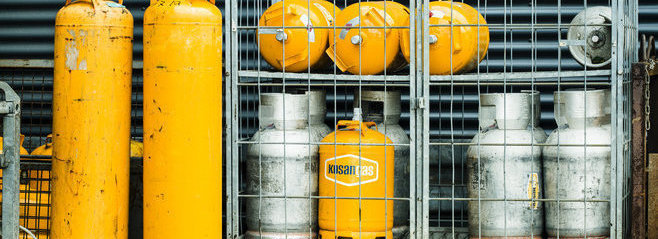
When must your ATEX workplace risk assessment be prepared or updated?
An ATEX workplace risk assessment is not a static document, but an integral part of the company's safety management system. You must prepare or revise an ATEX workplace risk assessment whenever:
- The company introduces processes or storage involving flammable substances that could present risks from explosive gases, mists, or combustible dusts for the first time.
- 3 years have passed since the previous review (mandatory statutory review interval).
- Modifications are made to production processes or operational procedures.
- Facilities and premises are rebuilt, or new process equipment is installed.
- An accident, accidental release, or significant near-miss occurs in the workplace.
- You require certainty ahead of a scheduled regulatory or insurance audit.
Contact us for specialist consultancy on ATEX
Do you have questions regarding the ATEX Workplace Directive, or do you need assistance preparing or updating your ATEX workplace risk assessment? Contact our specialists for a professional discussion regarding your plant and operational needs: