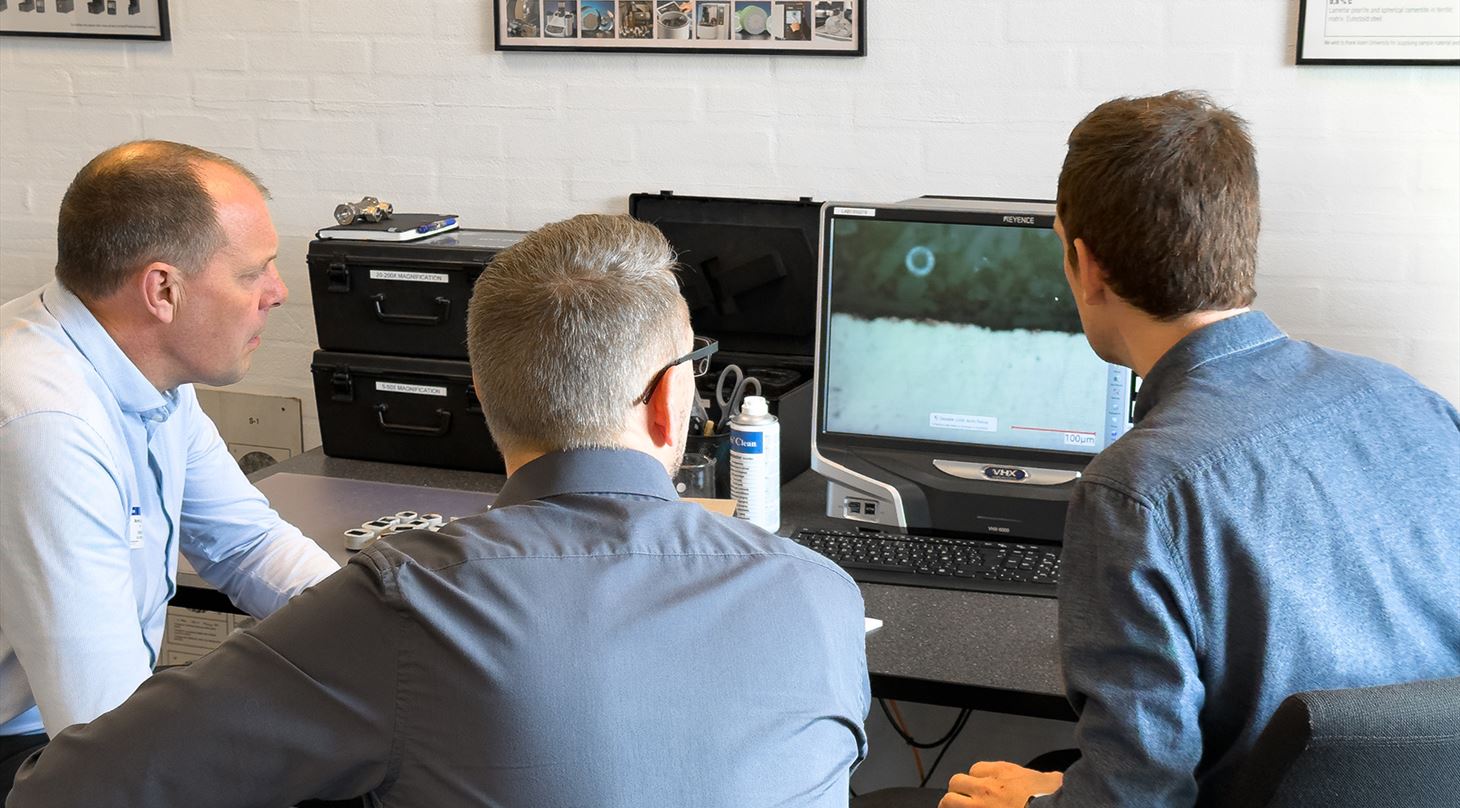
Corrosion tests document the quality of lead-free fittings for JCH
When water quality changes, even approved plumbing products can be challenged. JCH in Vejle has experienced this firsthand – and at the same time, the company wants to stay ahead of new regulations that all but prohibit the use of lead in alloys for fittings. Therefore, they reached out to Danish Technological Institute's specialists within metal analysis
JCH develops and manufactures solutions for safeguarding drinking water – including fittings made from different alloys. For these fittings, JCH had to rethink its choice of materials, and this was due to two factors.
First, tighter regulations regarding lead content requirements meant that the well-known, lead-containing brass alloys had to be replaced with new lead-free alternatives.
Second, corrosion cases began to appear in areas where water quality had gradually become more aggressive over time. This meant that even though the products complied with current standards and approvals, complaints still arose. For the same reason, JCH had already begun recommending an extra corrosion-resistant (lead-containing) alloy that performed better than the acceptance criteria for a “standard approval” – precisely to avoid corrosion-related issues.
JCH now wanted to stay ahead of the curve: Which lead-free materials could they confidently recommend to customers going forward – including in difficult water environments?
The answer was a standard test – followed by a more stringent corrosion resistance test
To obtain a solid basis for comparison, JCH contacted the Danish Technological Institute’s specialists in metal analysis. The aim was for the Danish Technological Institute to carry out corrosion tests on the various alloys under consideration – both existing lead-containing alloys and new lead-free alloys.
Here, the Danish Technological Institute first conducted a standard test, which is typically used in connection with product approvals – including VA approval for brass fittings.
To obtain the necessary answers – especially in relation to more corrosive water environments – the specialists also developed a more stringent and accelerated test.
READ MORE ABOUT CORROSION TESTING
- In the more stringent test, we used the standard as our starting point and made the conditions more aggressive in order to push the materials all the way to their limits. In this way, JCH would receive the most comprehensive and accurate documentation possible, says Nils Lau Nyborg Broge, specialist in corrosion and metallurgy at the Danish Technological Institute.
Two well-known lead-containing alloys were tested – one “good” alloy and one for which there was already experience with complaints – as well as two new lead-free alloys.
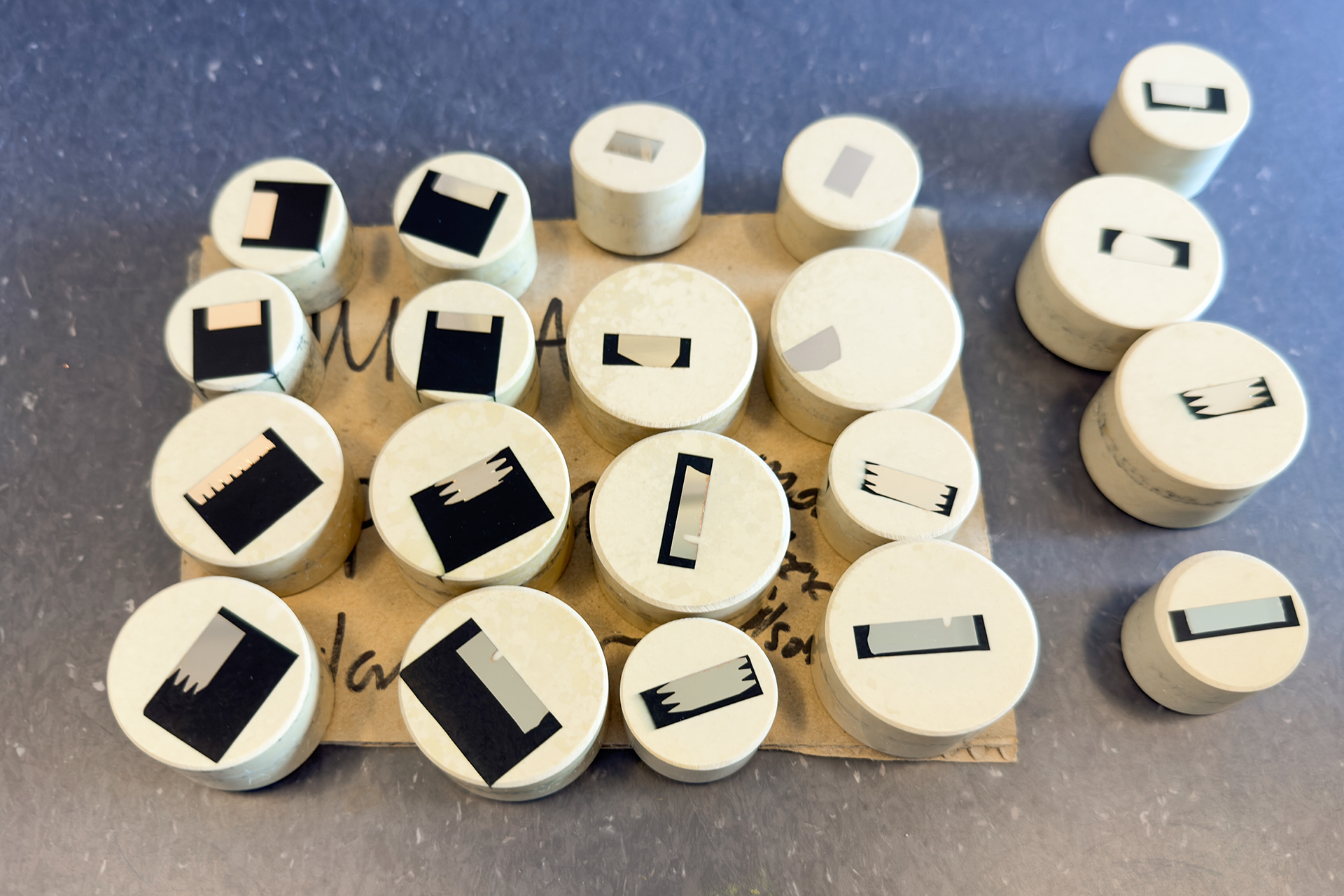
The picture shows the tested samples.
Result: Confidence in the choice of a new lead-free alloy
The tests provided clear answers. One of the new lead-free candidates already failed the standard test and was not considered further. In the more stringent test, the familiar “problem child” alloy containing lead proved to be the weakest. This confirmed that the test conditions reflected real-world experience.
By contrast, the most promising new lead-free alloy performed on par with JCH’s current extra-high-performing lead-containing reference alloy – and better than the standard lead-containing alloy that had resulted in complaints.
Fewer complaints and stronger documentation
For JCH, the results of the corrosion tests mean that they can eliminate risky materials before they reach the market, thereby reducing the risk of corrosion, operational disruptions, and financial losses for both customers and end users.
The collaboration with the Danish Technological Institute has been absolutely fantastic. They have been helpful and incredibly clarifying regarding the questions we have had, and they have gone through the results we received – completely meticulously, when necessary.
- Tobias Rød, Product & Quality Manager, JCH A/S
At the same time, the company gains a technically substantiated basis for documenting quality and advising customers on the most robust choice of material in a time when both water quality and regulation are evolving.