ATEX Inspection - Inspection of installations in potentially explosive atmospheres
Select Page
Obtain documentation proving that your installations in areas with a risk of explosive atmospheres are safe and comply with requirements - this is what an inspection from Danish Technological Institute provides.
If you have electrical or mechanical installations and equipment in areas with a risk of explosive atmospheres, you are responsible for ensuring that they comply with applicable requirements at all times. However, many companies lack an overview of the actual condition of their installations – and are unsure whether the existing setup is still compliant, especially after modifications, replacements, or extended periods of operation.
An ATEX inspection is a systematic review of the installations in your hazardous areas, identifying defects, non-conformities, and deviations that could pose an explosion risk.
Danish Technological Institute helps you document that installations and equipment comply with applicable requirements - and that safety for both personnel and plant is maintained.
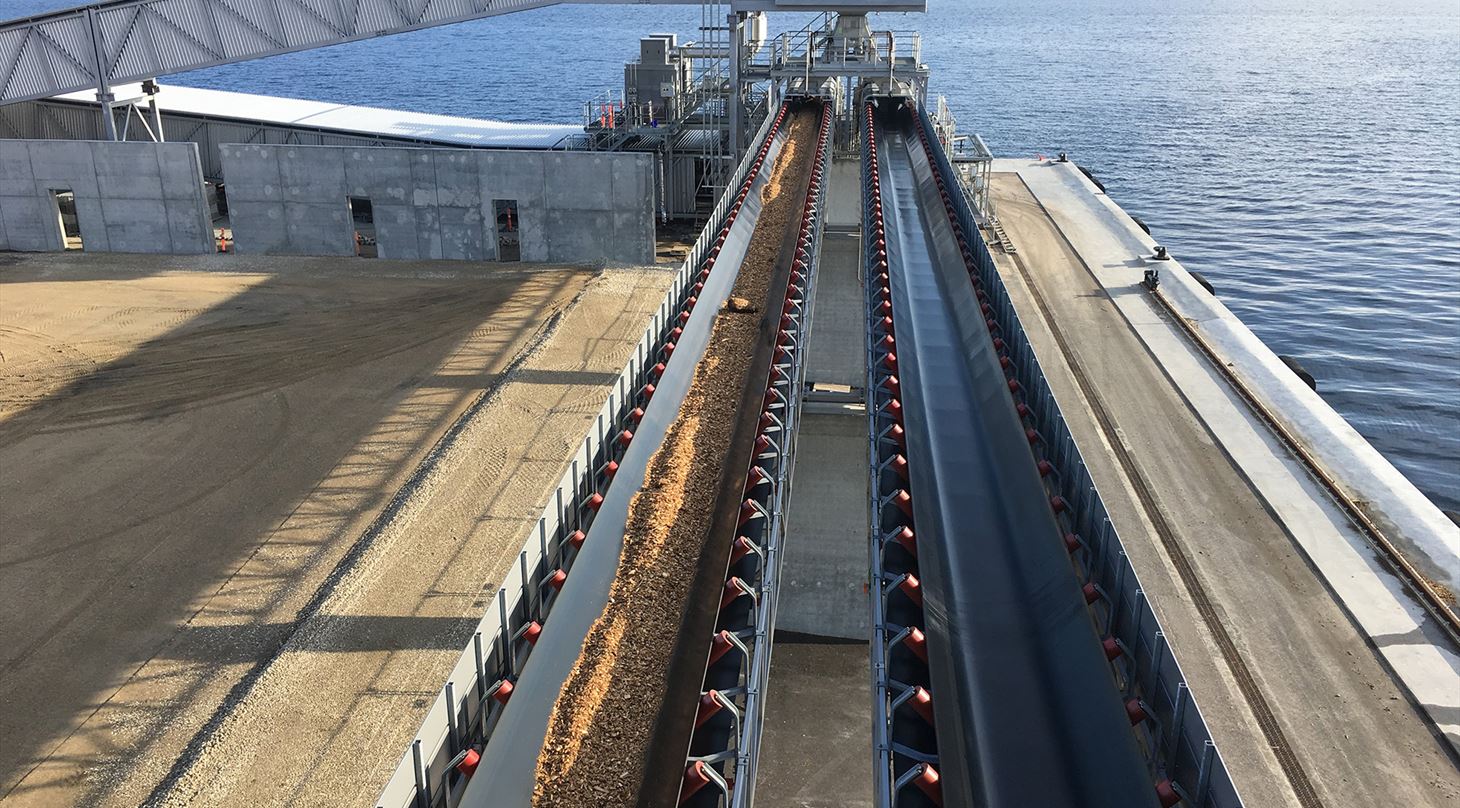
In the video below, you can learn more about ATEX inspection at the Amager Power Station.
Situations that typically trigger the need for an inspection
We frequently assist companies that contact us in one of the following situations:
- New installation or plant modification: the installation is new or modified, and an initial inspection is required before the plant is commissioned.
- Periodic inspection is overdue: it has been a long time since the installations were last systematically inspected, and the documentation is outdated.
- Uncertainty regarding installation conditions: there is doubt about whether existing installations still comply with requirements, e.g., following component replacements or changes in zone classification.
- Preparation for regulatory audits: the company wants to ensure that all documentation is in order before a visit from the Danish Working Environment Authority (Arbejdstilsynet) or other regulatory bodies.
- Identification of faults or deviations in daily operations: issues have been observed, creating a need for a more in-depth and systematic review.
- Requirements from an insurance company or customer: an external party requires documentation verifying that the installations have been inspected by an independent third-party body.
Three types of inspection - tailored to your needs
Danish Technological Institute performs three types of ATEX inspections in accordance with the methodology in DS/EN 60079-17. The relevant type depends on your specific situation:
Initial inspection: Carried out before a new or modified installation is commissioned, verifying the explosion safety of the plant as a whole. The inspection verifies that the installation has been carried out correctly in relation to zone classification, documentation, and applicable standards.
Periodic inspection: Routine inspection of existing installations to ensure that they continue to comply with requirements. The interval depends on the type of installation, operational conditions, and risk assessment, but should generally not exceed 3 years.
Sample inspection: A targeted check of selected parts of the installation - e.g., as a supplement to the periodic inspection or as a follow-up on identified non-conformities.
All inspections conclude with a detailed inspection report documenting findings, evaluations, and any recommendations.
DS/EN IEC 60079-17 applies exclusively to electrical installations and equipment. No equivalent standard exists for mechanical installations and equipment, but at the request of authorities, Danish Technological Institute applies the principles of DS/EN 60079-17.
What does an ATEX inspection provide in practice?
An ATEX inspection from Danish Technological Institute provides you with:
- Documented safety - you receive an inspection report demonstrating whether your installations comply with applicable requirements.
- Overview of defects and non-conformities - the report identifies specific deviations and assesses their criticality, allowing you to prioritize corrective actions.
- A basis for action - you know exactly what needs remediation and can plan corrective measures systematically.
- Peace of mind during audits - the documentation withstands scrutiny when requested by the Danish Working Environment Authority, insurance companies, or clients.
- Accident prevention - a systematic inspection reduces the risk of installation defects leading to an ignition in hazardous areas.
- Independent assessment - the Danish Technological Institute is a self-governing, independent institution, ensuring the inspection is unbiased and free of commercial interests from suppliers and installers.
What sets an inspection from Danish Technological Institute apart
ATEX inspections can be carried out by several independent bodies. What distinguishes Danish Technological Institute is:
- Specialist competence in explosion protection - our inspectors work with ATEX daily and possess deep knowledge of standards, types of protection, and installation practices.
- A practical approach - we do not merely deliver a list of deviations; we help you understand the findings and prioritize the next steps.
- Cross-industry experience - we inspect installations in hazardous areas across sectors including oil/gas, chemicals, pharmaceuticals, food, and energy.
- Flexible scheduling - we adapt the inspection to your operational conditions and schedule to minimize disruption to production.
What do the regulations say about ATEX inspection?
In accordance with ATEX Directive 1999/92/EC [1], Annex II, Clause 2.8:
Before a workplace containing areas where explosive atmospheres may occur is taken into operation for the first time, its overall explosion safety must be verified. All conditions necessary for ensuring explosion protection must be maintained.
Such verification must be carried out by persons competent in the field of explosion protection, resulting from their experience and/or professional training.
According to the Danish Safety Technology Authority (Sikkerhedsstyrelsen / Erhvervsstyrelsen), an initial inspection is also required before electrical installations are put into service. Initial inspections of electrical equipment and installations must be conducted in accordance with the provisions of DS/EN IEC 60079-17.
It is the plant owner's responsibility to ensure that this verification is performed and can be subsequently documented. The documentation prepared in connection with the inspection should form an integral part of the plant’s overall technical documentation.
What our customers say
Danish Technological Institute is to be commended for its high level of expertise, flexibility, patience and friendliness in relation to sparring about the observations in the report and proposals for solutions. They have complied with all agreements and schedules and have been professional and proactive in relation to the exchange of documentation and information about time consumption and finances. The specialists have been welcoming, pleasant and very trusting to work with.
Contact us
Do you have installations in areas with a risk of explosive atmospheres that require inspection – or are you unsure whether your existing documentation is adequate? Contact our specialist, Karsten Bjerrum, for a discussion about your needs.