Piping systems and components in water installations - Piping systems of plastic and metals for water for human consumption
Select Page
Testing of piping systems
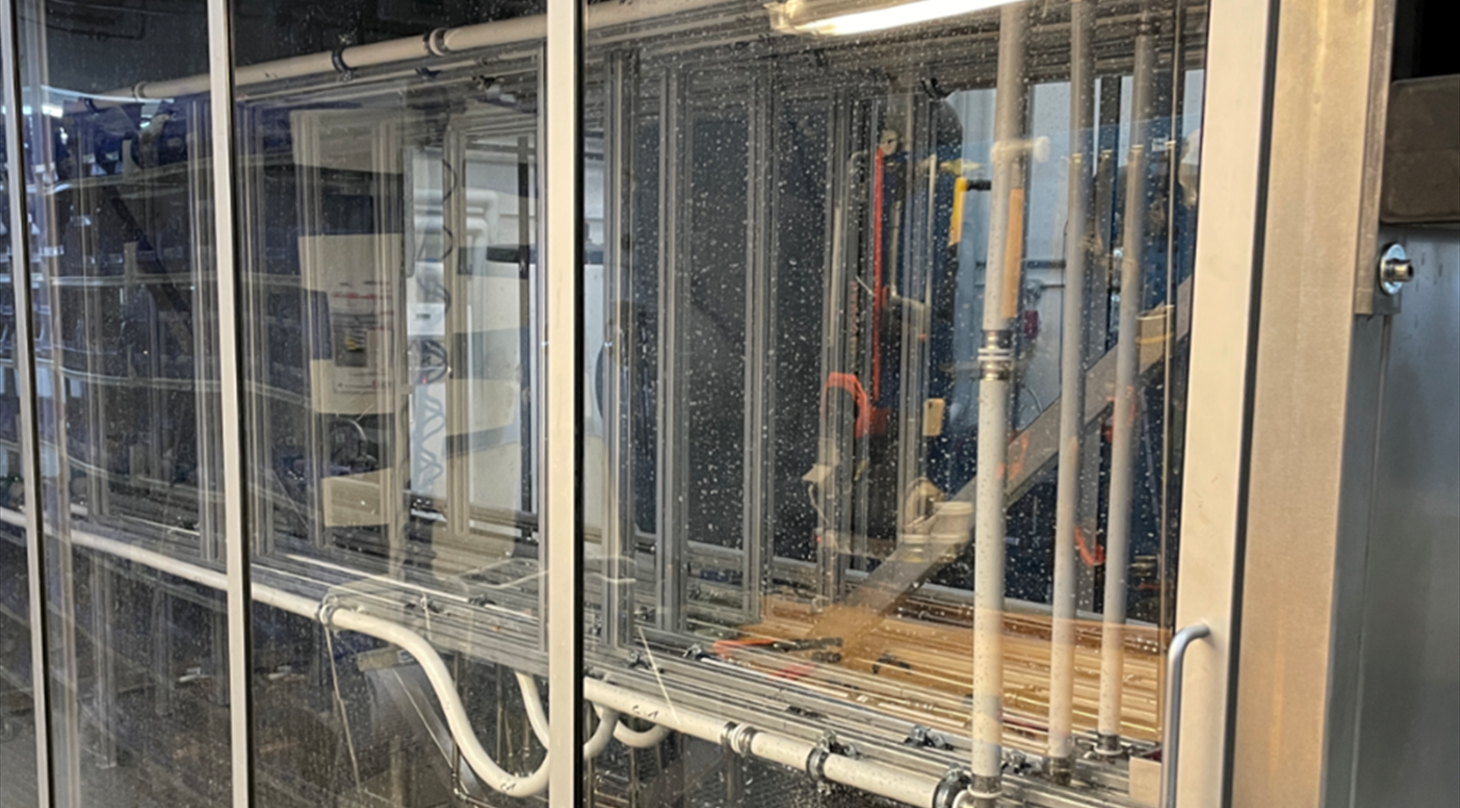
A piping system is an interconnected system consisting of pipes and fittings. The overall purpose of the tests is to validate the expected lifetime of the piping system according to the application class. For example, for application class 5, the lifetime is 50 years at 20 °C with a design pressure at 10 bar. The testing of the piping system includes several tests such as temperature cycling (shift between cold and hot water), pressure jump, pull-out force and internal pressure. The fittings or other components, such as O-rings, must not weaken the durability and the life span of the total piping system.
Test methods for plastic piping systems in buildings
For plastic piping systems, several standards for different types of plastic apply:
- EN ISO 15874: Plastics piping systems for hot and cold-water installations – Polypropylene (PP)
- EN ISO 15875: Plastics piping systems for hot and cold-water installations – Crosslinked polyethylene (PE-X)
- EN ISO 15876: Plastics piping systems for hot and cold-water installations – Polybutylene (PB)
- EN ISO 15877: Plastics piping systems for hot and cold-water installations – Chlorinated poly(vinyl chloride) (PVC)
- EN ISO 22391: Plastics piping systems for hot and cold-water installations – Polyethylene of raised temperature resistance (PE-RT)
- EN ISO 21003: Multilayer piping system for hot and cold water installation inside buildings
The standards generally include the following parts:
- Part 1: General,
- Part 2: Pipes,
- Part 3: Fittings,
- Part 4: Valves and ancillary equipment,
- Part 5: Fitness for purposes of the system
- Part 7: Guidance for the assessment of assessment of conformity
Test methods for plastic piping systems in water supply network
- EN 12201: Plastic piping systems for water supply, and for drains and sewers under pressure -Polyethylene (PE)
- ISO 17885: Plastic piping systems – Mechanical fittings for pressure systems - Specifications
- EN ISO 1452: Plastic piping system for water supply and buried and above-ground drainage and sewerage under pressure – Unplasticized poly(vinyl choride) (PVC-U)
Test methods for plastic piping systems for supply of gaseous fuels
- EN 1555: Plastic piping systems for the supply of gaseous fuels – Polyethylene (PE)
Approval and certification schemes for plastic piping systems
DVGW ZP 8500, ZP8803, ZP8837 and ZP 8490, INSTA-CERT SBC EN 12201, INSTA-CERT SBC ISO EN 11298-3, INSTA-CERT SBC INSTA-CERT SBC EN1452, RISE CR (certification rules), Finnish decrees 1/18, 4/19, 5/19, VA PG 21003-02 and 15875.
Test methods for metal pipes
Testing of metal pipes includes, among others:
- Tensile test
- Surface inspection
- Weld seam inspection
- Intergranular corrosion
Testing of copper pipes
- DVGW GW392: Seamless drawn copper pipes for gas and drinking water installations and seamless drawn internally tinned copper pipes for drinking water installations, requirements and tests.
- EN 1057: Copper and copper alloys – Seamless, round copper tubes for water and gas in sanitary and heating applications.
Copper may corrode when it is in contact with water resulting in release of copper ions into the water. This process may lead to copper levels in the drinking water exceeding the acceptable limits, especially in water with a relatively high content of bicarbonate (HCO3). This is a concern, as copper in high concentrations may have health implications. There may be restrictions on the use of copper pipes in water installations.
Testing of stainless steel pipes
- DVGW GW541: Stainless steel pipes for gas and drinking water installations
Approval and certification schemes for metal pipes
- DVGW ZP 8500, RISE CR (certification rules), Finnish decree 2/19